Engage students with creative activities linking the new bank note to careers, civics, history, social studies and art.
Teaching life skills
Learning how to check bank notes and spot a counterfeit is an important skill for students to bring to the workplace. Teach about fraud prevention and what to do if you get a counterfeit bank note with our new lesson plan It Pays to Check! Incorporate the lesson plan as you teach financial literacy and careers.
The role of the monarchy in Canada
Portraits of Queen Elizabeth II have been in our wallets for decades, starting with the First series in 1935, where a portrait of an 8‑year‑old Princess Elizabeth appeared on the $20 bank note.
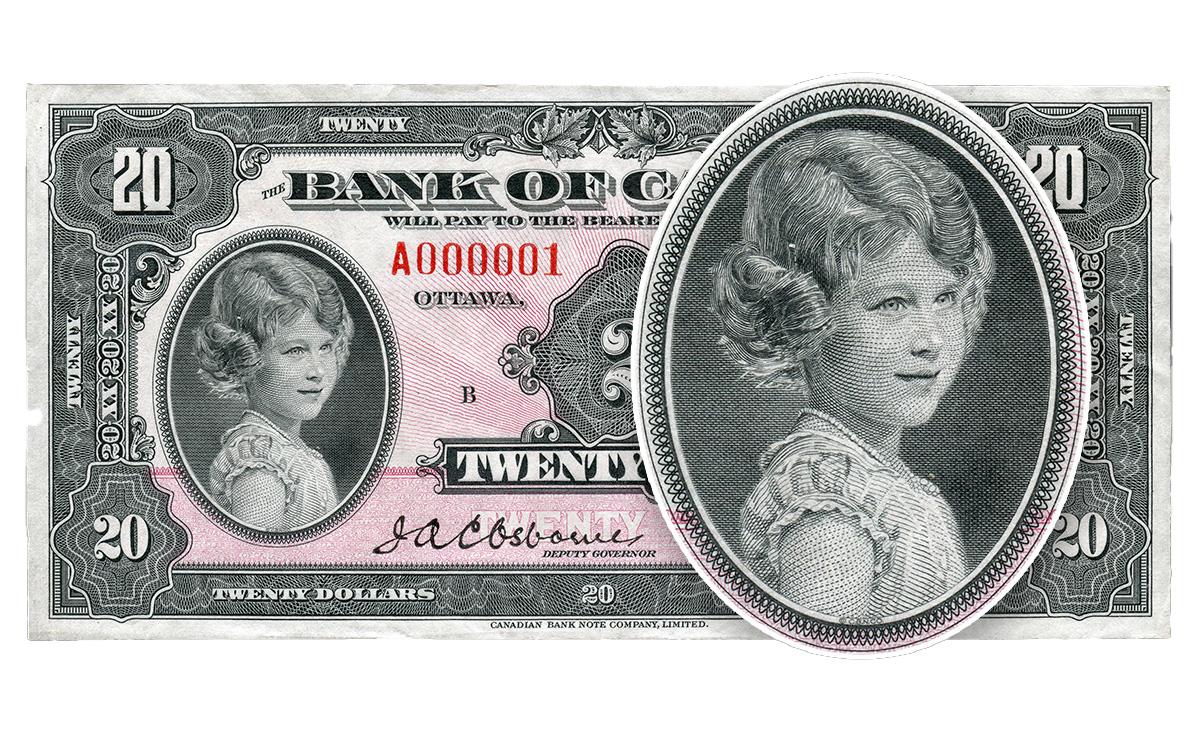
Source: 20 dollars, Canada, 1935
The Vertical $20 bank note features King Charles III, Canada’s current monarch. Use it to spark discussions about the Commonwealth, constitutional monarchy and the role of the monarchy in Canada’s government. Using the inquiry question “Why is King Charles III on a Canadian bank note?” explore these resources for an answer:
- Constitutional Monarchy (Canadian Encyclopedia). Read about why the King is Canada’s head of state and how the monarchy works with the Canadian Constitution.
- The Canadian Constitution. Learn about the executive, legislative and judiciary branches of Canadian government from the Department of Justice.
- Commonwealth (Canadian Encyclopedia). Read about the historical and present significance of Canada’s membership in the Commonwealth of Nations.
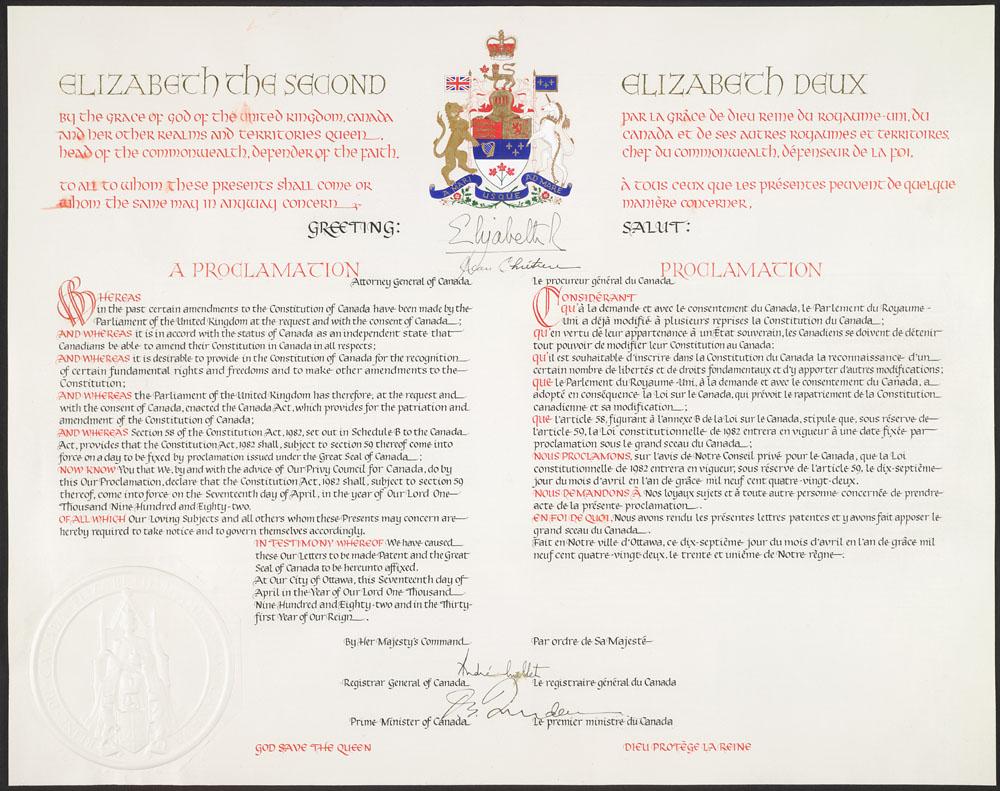
The Proclamation of the Constitution Act, 1982.
Source: Library and Archives Canada / e008125379
Discussion questions for your students:
- In what ways has the power of the monarch changed in Canada since 1867? What has stayed the same?
- What is the difference between executive, legislative and judicial power? Who holds these powers?
- What benefits or obligations does Canada have as part of the Commonwealth of Nations?
History and historical thinking
Flip over the Vertical $20 bank note and you’ll find the Canadian National Vimy Memorial, a monument dedicated to Canadians who served in the First World War. The memorial was built on the site of the important Battle of Vimy Ridge.
Vimy Ridge and the Vimy Memorial
There are many excellent, free resources available to teach about the Battle of Vimy Ridge and the significance of the Canadian National Vimy Memorial:
- Remembrance dog tags (Veterans Affairs Canada). Battle of Vimy Ridge lesson plan – research and honour an individual Canadian who died at Vimy Ridge. Grades 9 to 12 (Secondary 3 to 5).
- Every memorial tells a story (Veterans Affairs Canada). Reflect on what military memorials are and why they’re important. Grades 9 to 12 (Secondary 5).
- Canadian National Vimy Memorial (Veterans Affairs Canada). Explore the history and symbolism of this iconic monument. All ages.
- The Vimy Foundation. A rich collection of multimedia resources about the battle and Canadian service in the First World War. All ages.
- Vimy Memorial (Canadian War Museum). Explore artifacts and photos related to the memorial. Grades 8 to 12 (Secondary 5).
Historical significance
The people, places and symbols on Canadian bank notes have changed over time. The Vimy Memorial first appeared on the Frontiers $20 bank note. Including the Memorial on a bank note for a second time is a decision of historical significance. In our lesson plan The changing face of our money, we explore the ideas of historical significance and continuity and change. If you do this lesson plan with your class, extend it to ask:
- Has the significance of the Canadian National Vimy Memorial changed over time?
- Is it important to you that the symbols and images on Canada’s bank notes change or stay the same over time?
You can also encourage your class to think about who they would put on a bank note with our lesson plans A bank NOTE-able Canadian and Design your own bank note.
In early 2020, the Bank of Canada Museum asked students across the country to participate in an activity to nominate a Canadian to appear on the $5 bank note. We had nearly 200 submissions with 46 individuals nominated. One of the most submitted names was Terry Fox. Fast forward to 2024 when it was announced that Terry Fox was chosen to be featured on the new $5 bank note, the third note in the Vertical series.

This photo of the Canadian National Vimy Memorial was the reference for the image on the Vertical $20 bank note.
Crafting a bank note
Every bank note is a work of art in our pocket. The portrait of King Charles III was engraved by master engraver Jorge Rodrigo Peral. Bank note design is still a hands-on art, though now engravers use digital tools instead of physical ones. Learn more about the engraving and design process in our blog Teaching art with currency.
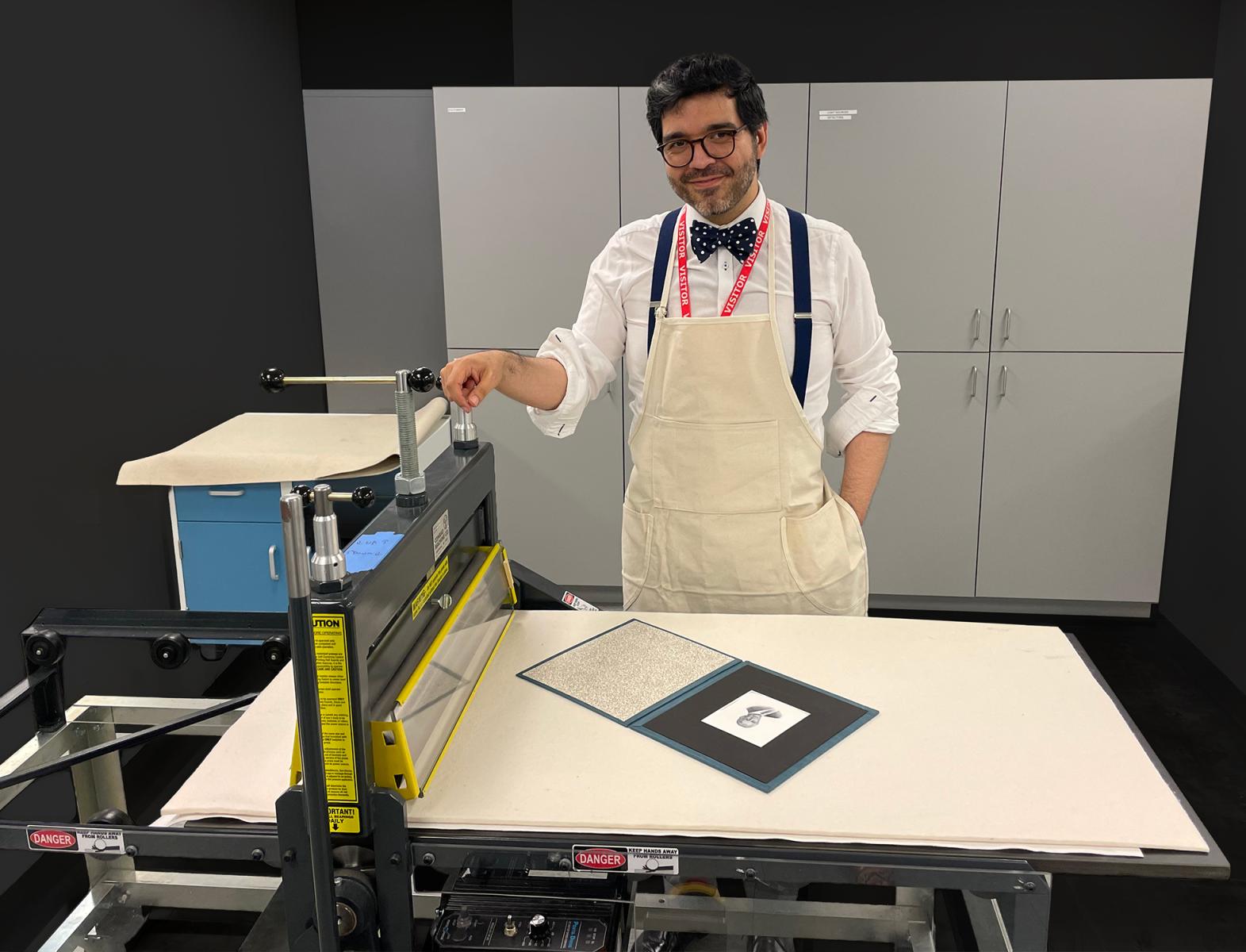
Jorge Rodrigo Peral is a master engraver at the Canadian Bank Note Company. He produced the portrait of King Charles III for the Vertical $20.
Symbols of Canada
The Vertical $20 includes many Canadian symbols. Some are familiar, like the maple leaf and the poppy, and some are new to bank notes, like the provincial and territorial flowers and significant Indigenous plants: wild strawberry, western red cedar, sweetgrass and arctic cotton.

These plants were chosen by the Bank of Canada’s Indigenous Advisory Circle. They are connected to food, care, gratitude and healing.

Arctic cotton is used by Inuit as a wick for traditional oil lamps that provide light and warmth. Arctic cotton is also used for bedding, bandages and as lining for clothes.
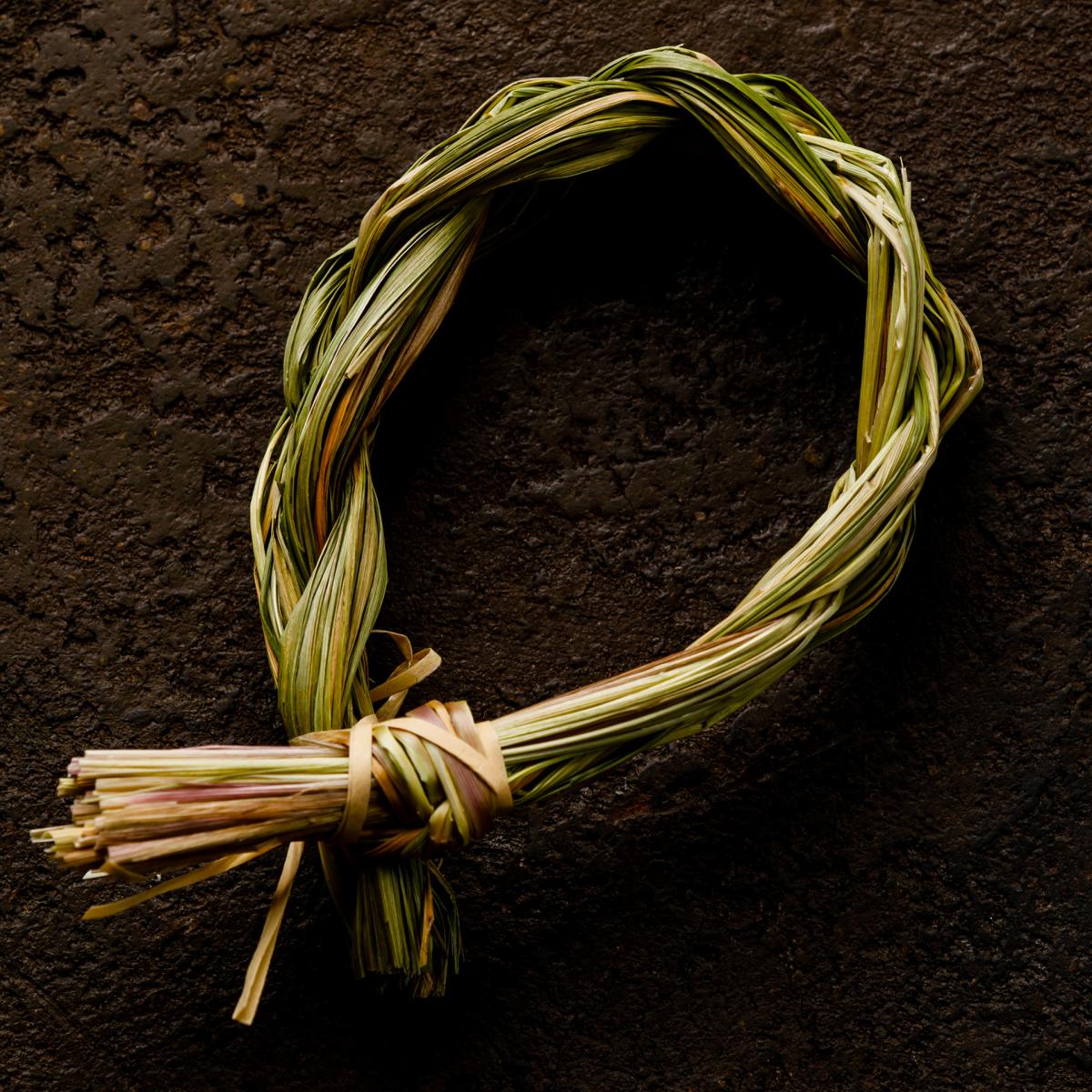
Sweetgrass is sacred to many First Nations and Métis. It is often braided and plays an important role in ceremonies that purify, protect and restore balance.

Western red cedar—also known as the tree of life by some Indigenous Peoples on the Northwest Coast—is treasured for its many cleansing, healing and practical uses.
Source: Canadian Museum of Nature

Wild strawberry, called the heart berry by many Indigenous Peoples, is a small but powerful reminder of the cycle of life when it emerges in the spring. It is prized for its sweet taste and medicinal properties.
Discussion questions for your students:
- Do these symbols and images represent Canada to you?
- Which of these symbols and images are most important to you? Why?
- What other symbols or images would you choose to represent Canada? Who should decide what symbols or images represent Canada?
A conversation starter
Bank notes are used every day, and they have lots of stories to tell about the history, symbols and images that are important to Canadians. This small piece of polymer can be the beginning of many conversations in your classroom.
Content type(s):
Blog posts
Grade level(s):
Grade 04,
Grade 05,
Grade 06,
Grade 07 / Secondary 1,
Grade 08 / Secondary 2,
Grade 09 / Secondary 3,
Grade 10 / Secondary 4
We want to hear from you! Do you have an idea for a blog post you’d like to see?
The Museum Blog
A summer road trip of Canadian tokens
We took a virtual road trip through nearly every Canadian province and territory via trade and souvenir tokens.

Reminiscences of the 1976 Montréal Olympic Coin Program
The Olympic Coin Program was novel, ambitious, record-breaking and for some, life-changing—much like the Olympic Games that the program helped finance.
The changing face of women on bank notes
From queens to changemakers, discover how real women are finding their place on bank notes around the world.