Canadian civil rights advocate Viola Desmond first appeared on Canada’s 10-dollar bill in 2018. Her nomination was part of a global trend to represent more women on bank notes.
Two bank-NOTE-able women
Before Viola Desmond came Agnes MacPhail. Canada’s first female member of Parliament appeared on the Bank of Canada’s 2017 commemorative note marking Canada’s 150th anniversary. It was the first time a woman not from the Royal Family appeared on a Bank of Canada note. Around the world, similar—although gradual—changes are taking place: women who have made important contributions in their countries are being given their due and celebrated on bank notes.
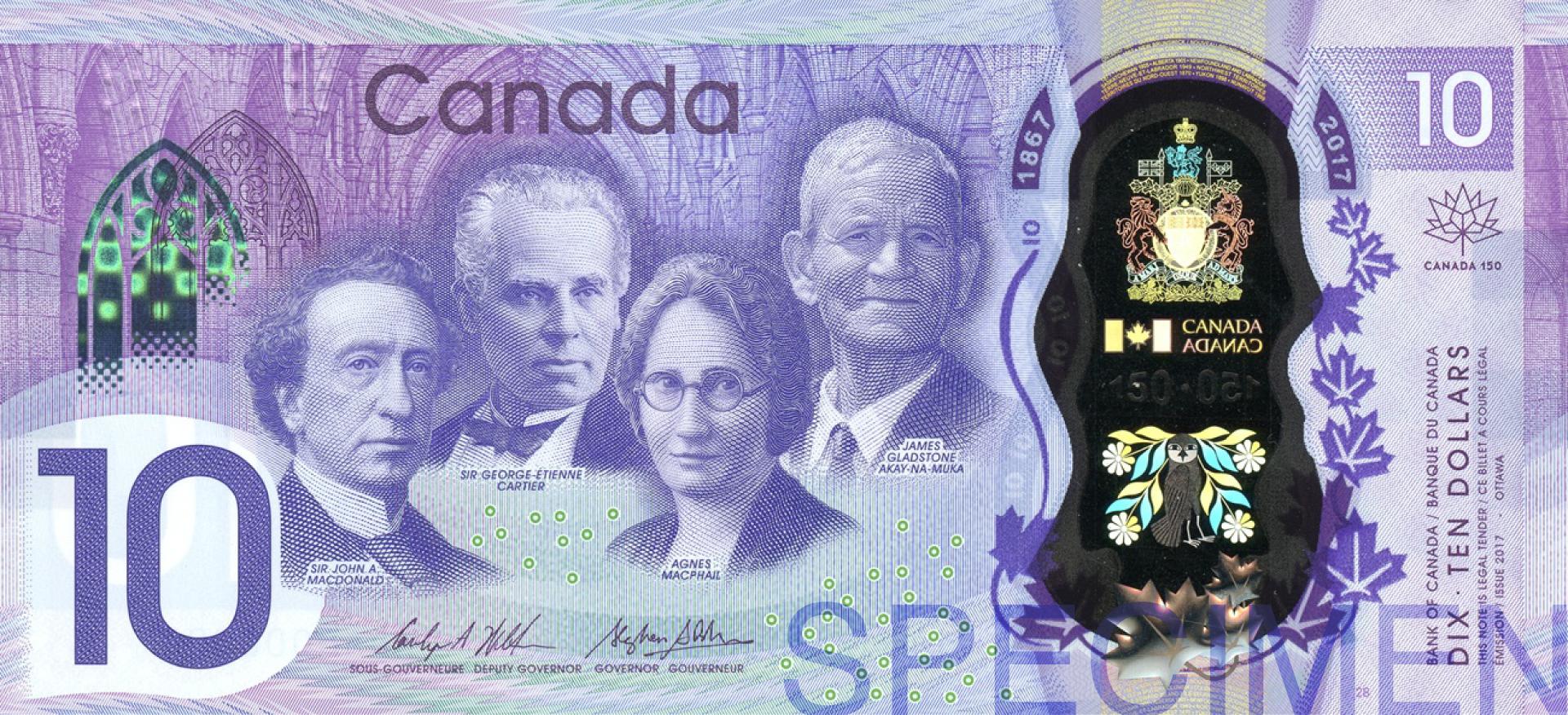
Agnes MacPhail was first elected in 1921 as Member of Parliament for Grey Southeast in Ontario. While in office, she advocated for prison reform and better pensions for seniors.
Source: 10 dollars, Canada, 2017 | 2017.34.1
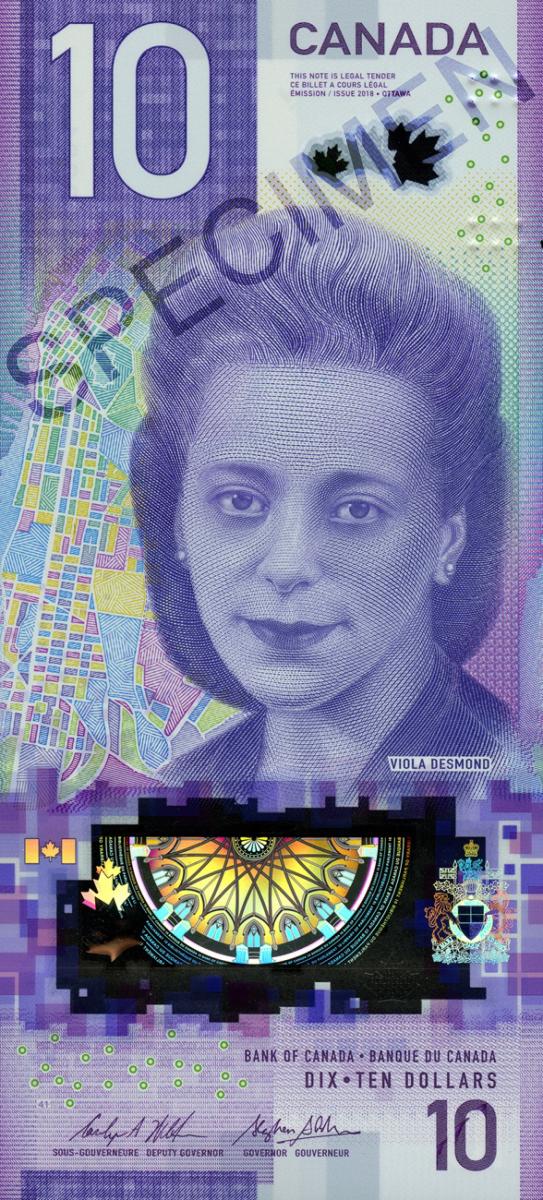
Viola Desmond was the second non-royal woman to appear on a Bank of Canada note. A beautician from Halifax, Desmond became a civil rights advocate after being arrested and charged for sitting in the wrong section in a movie theatre.
Source: 10 dollars, Canada, 2018 | 2018.75.1
Toward better representation
Women have appeared on bank notes in one form or another for hundreds of years. But the way they have been featured has changed. On many currencies, the earliest images of women were generic and symbolic. They stood for big ideas like liberty, prosperity or the nation itself. Over time, some bank notes began to feature portraits of real women instead, mainly of queens and other royals.
Women, but not real ones
In 1935, the Bank of Canada issued its first series of bank notes. The back of each note featured an allegorical image of a Canadian industry or an agricultural theme. Of the nine denominations issued, six had symbolic female figures on the back.
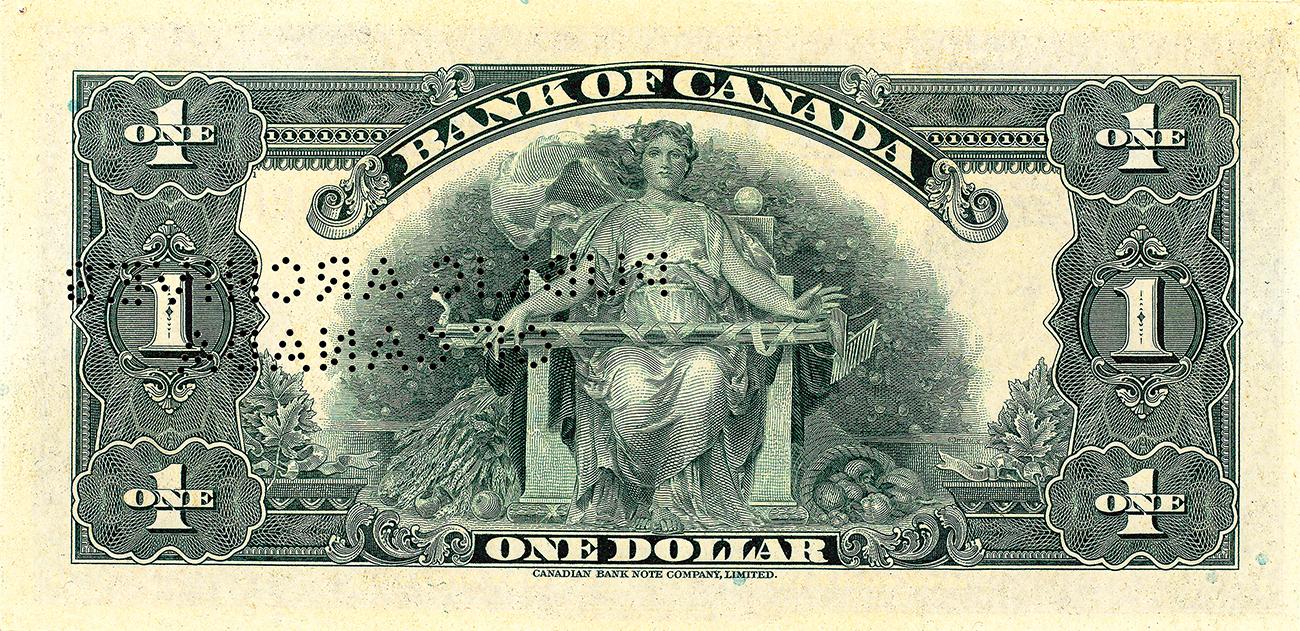
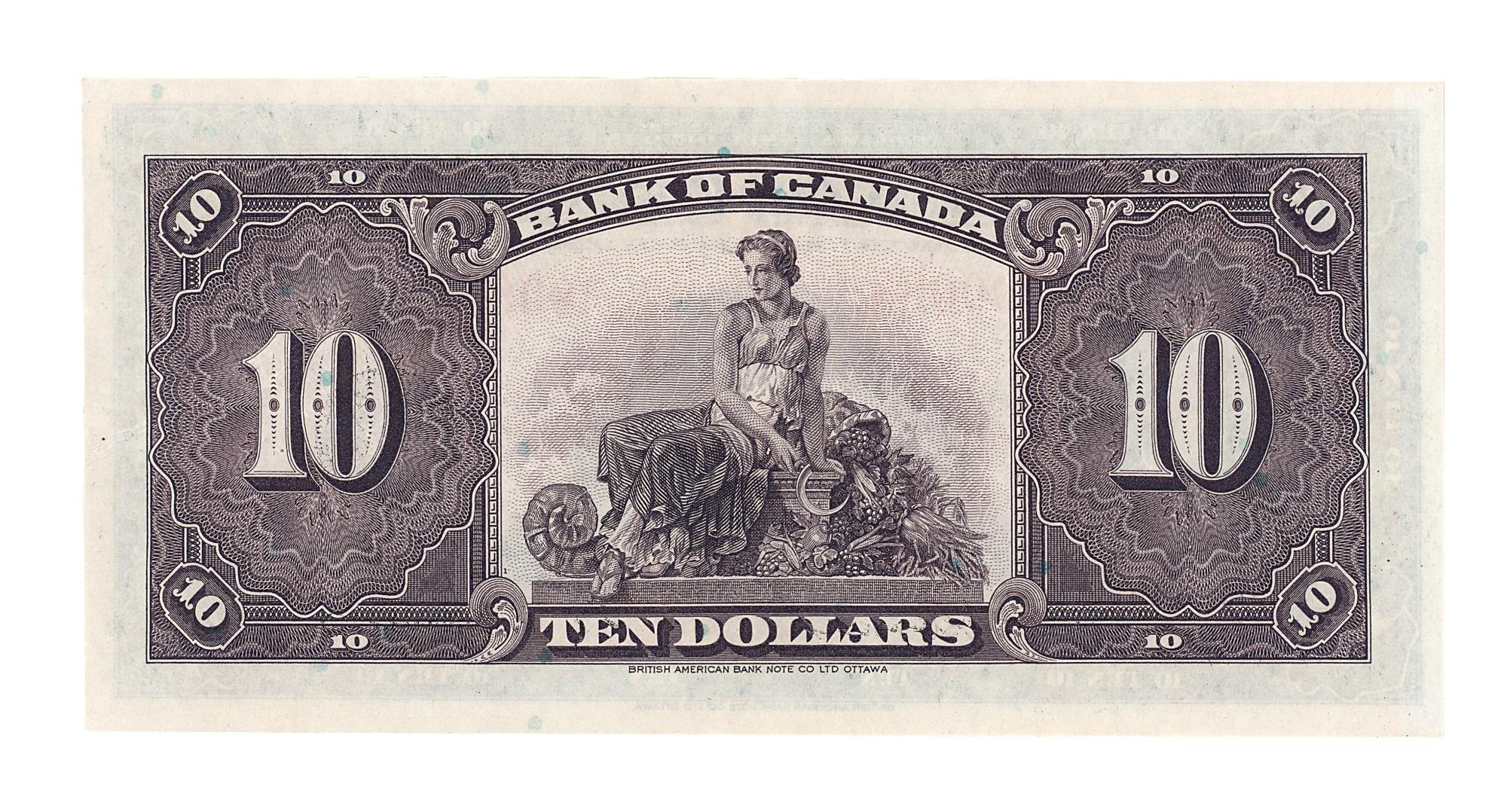
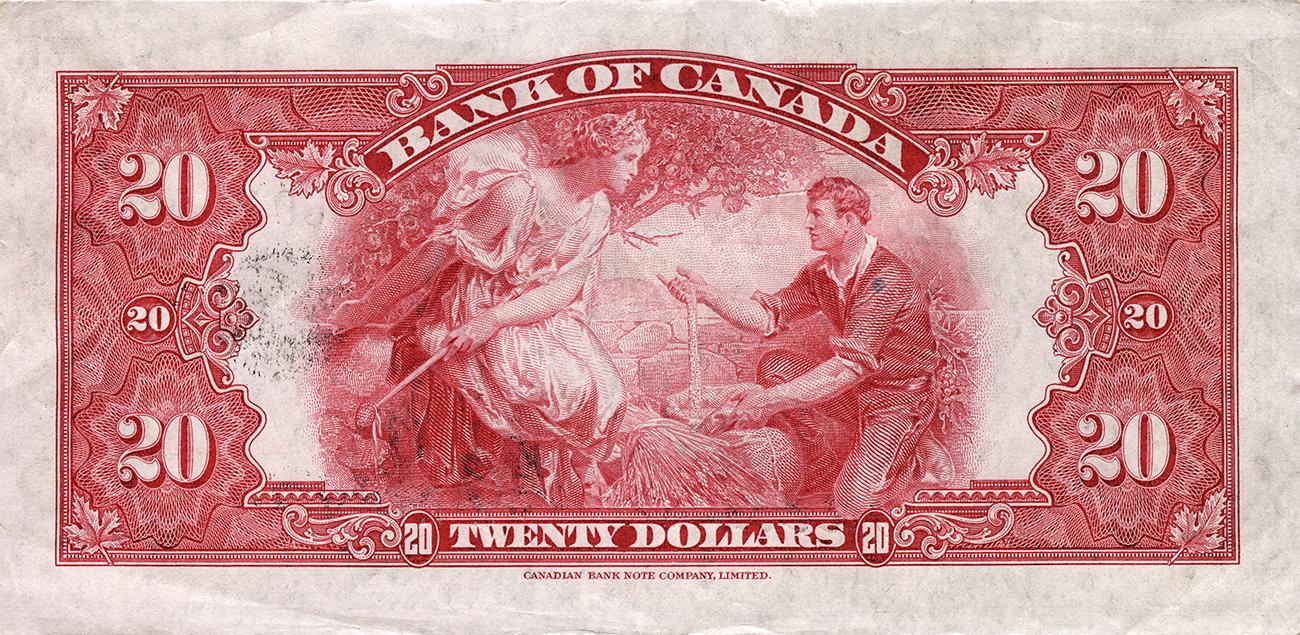
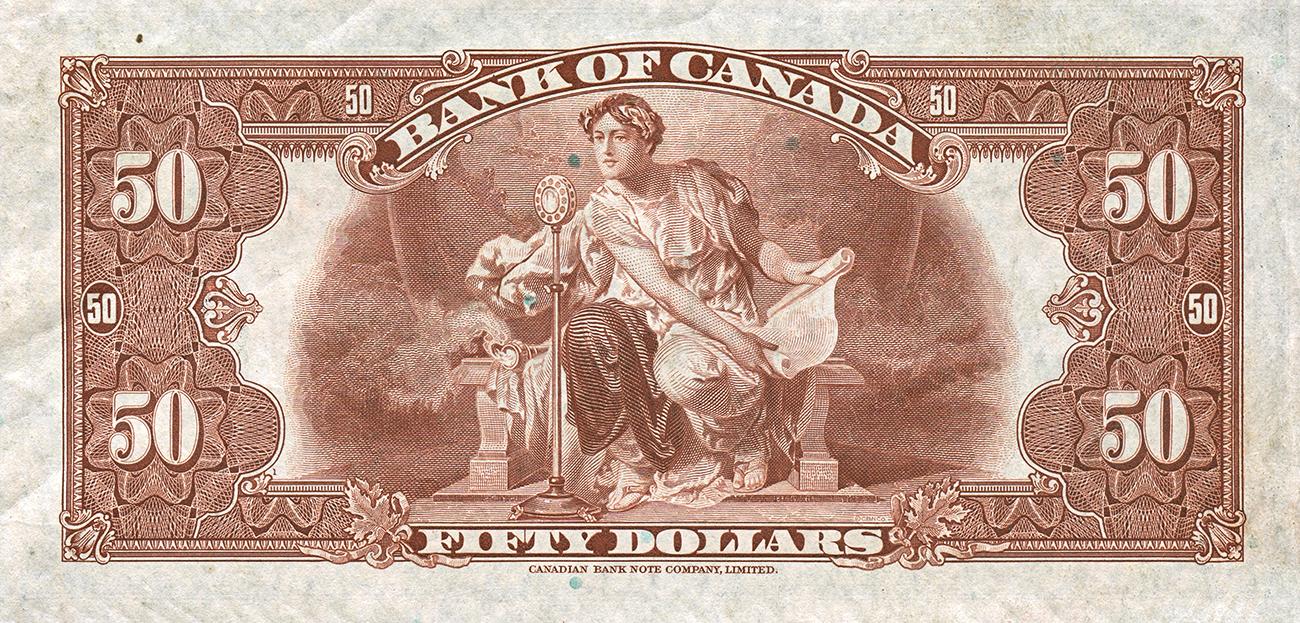
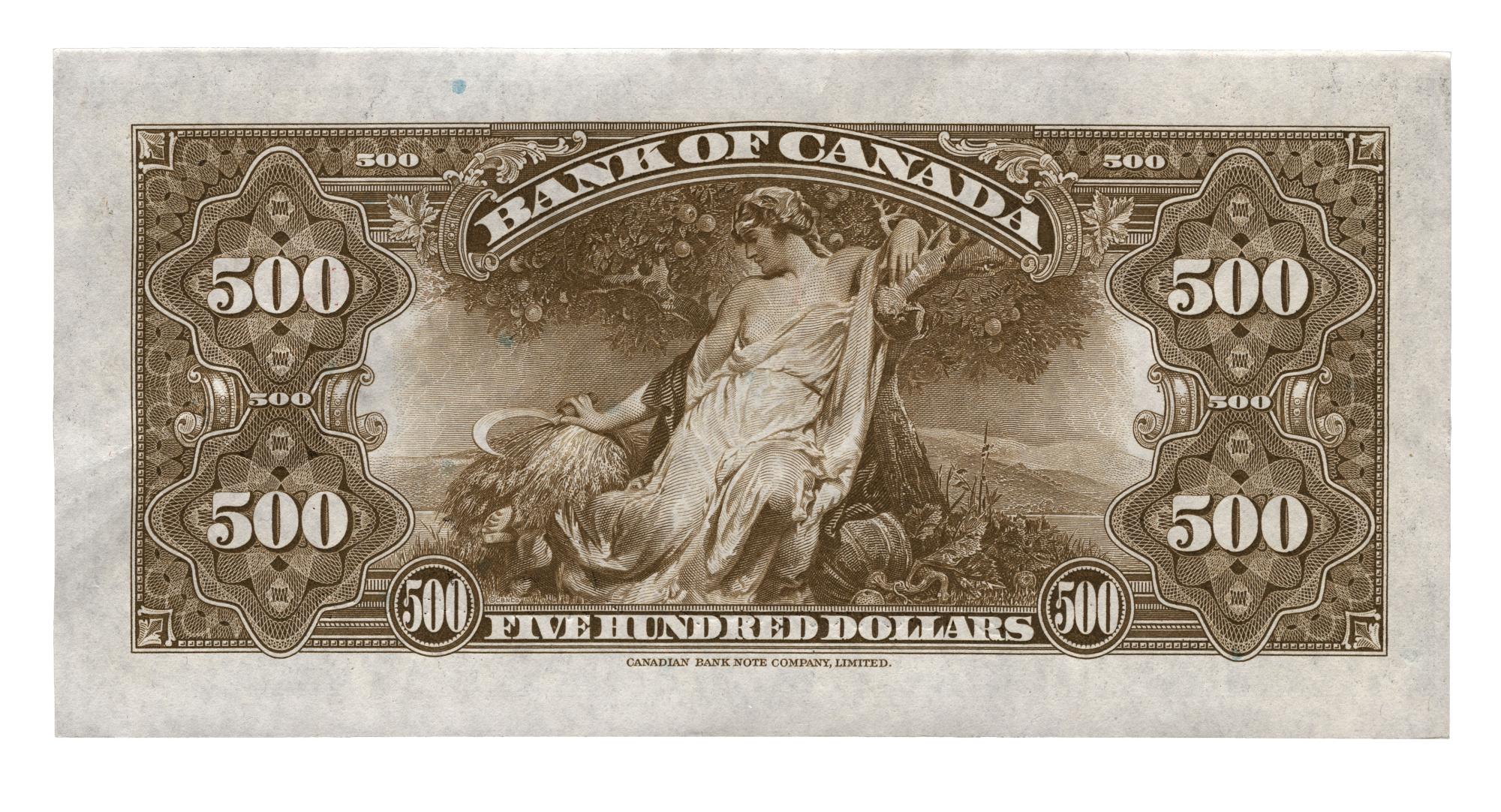
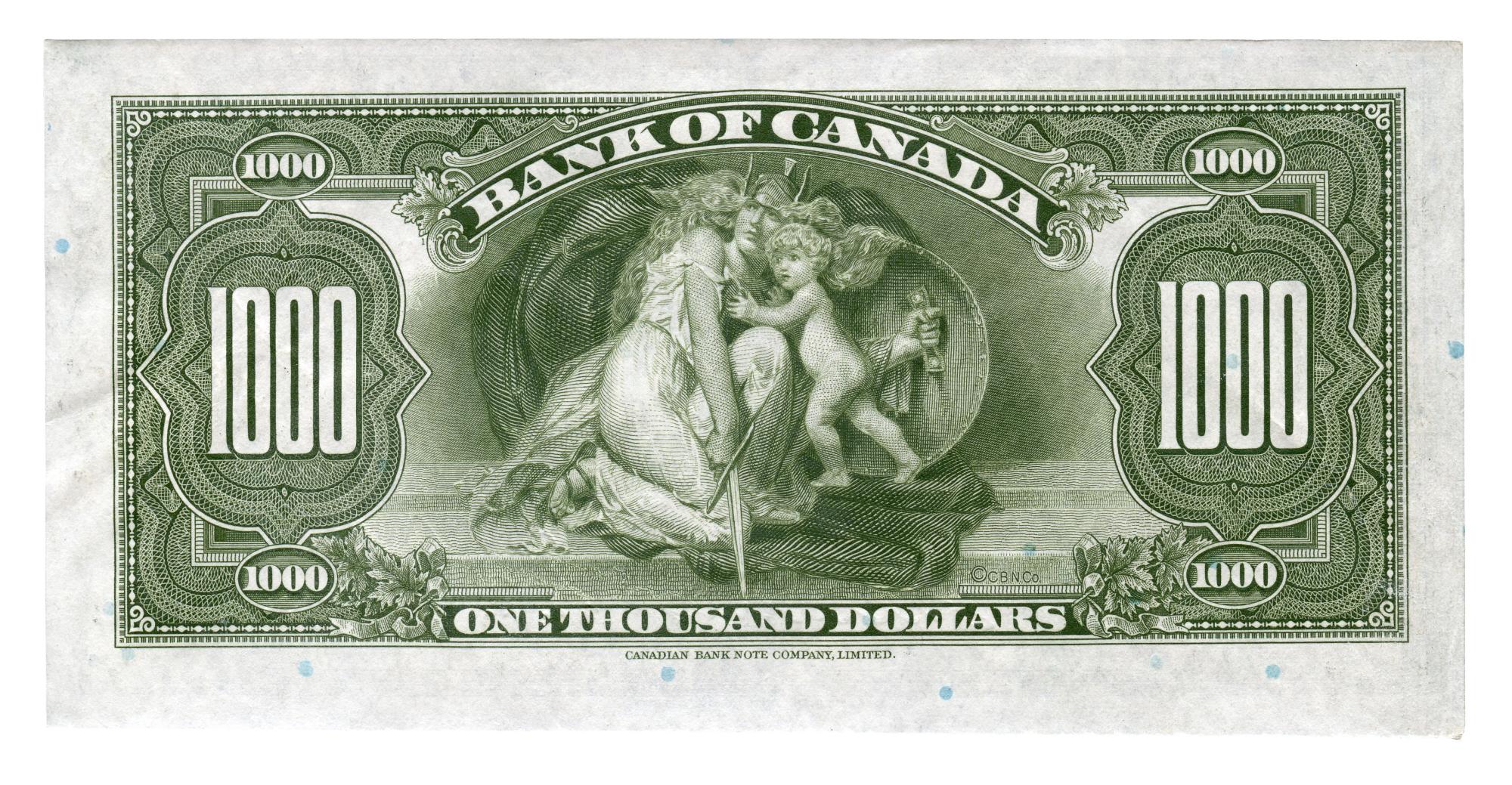
The Bank of Canada’s first series of bank notes, issued in 1935, featured portraits of the British Royal Family and Canadian Prime Ministers on the front. However, the women seen on the back of the notes are allegorical figures, not real historical ones.
And it’s not just Canada. Lady Liberty in the United States, Britannia in the United Kingdom, Helvetia in Switzerland—all are symbolic or allegorical representations of values or ideals expressed in female form.
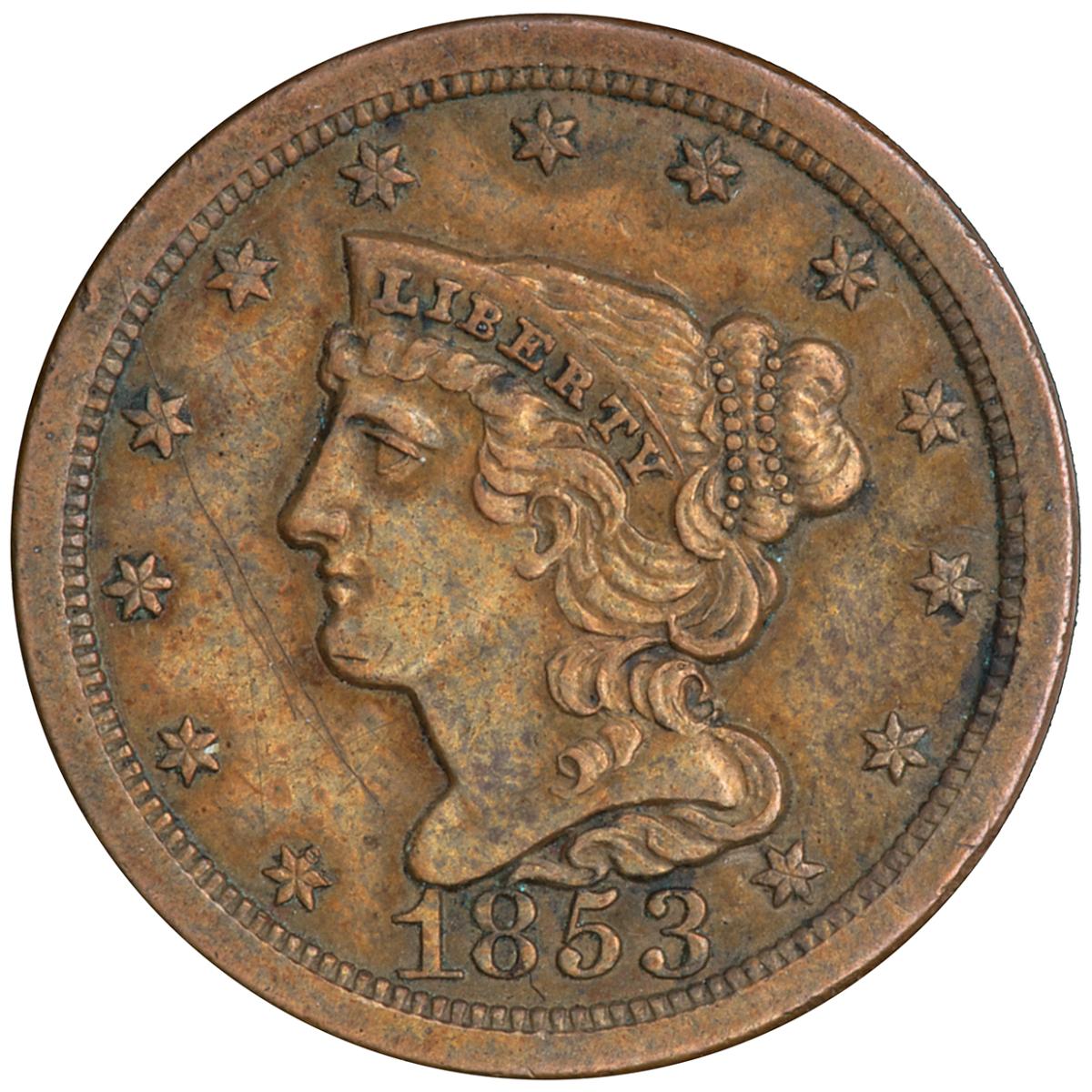
Lady Liberty has been a fixture on American coins since the 1700s when she appeared on copper half-cent coins.
Source: ½ cent, United States, 1853 | 1968.153.1
Women, but only royal ones
Another sure-fire way for a woman to end up on currency—other than being an allegorical lady—was to be a monarch. Royal leaders have long been regular fixtures on bank notes, regardless of whether they were kings or queens.
Over her 70-year reign, Queen Elizabeth II appeared on the bank notes of Commonwealth countries around the world. In fact, she has appeared on more notes than all other women portrait subjects combined. Here at home, the Bank of Canada has issued 54 bank notes throughout its history. Of those, 24 have featured a woman or girl. But if we eliminate Queen Elizabeth II from this tally, we are left with only 6 notes featuring a woman or girl who was not a monarch and only 2 that showcase non-royal women.
Though we’re far more likely to encounter a non-royal woman on a bank note today than we might have been 100 years ago, it’s still rare to see a female portrait subject. And the likelihood may dip slightly in the coming years as countries throughout the Commonwealth replace the portrait of Queen Elizabeth II with that of King Charles III on their notes.
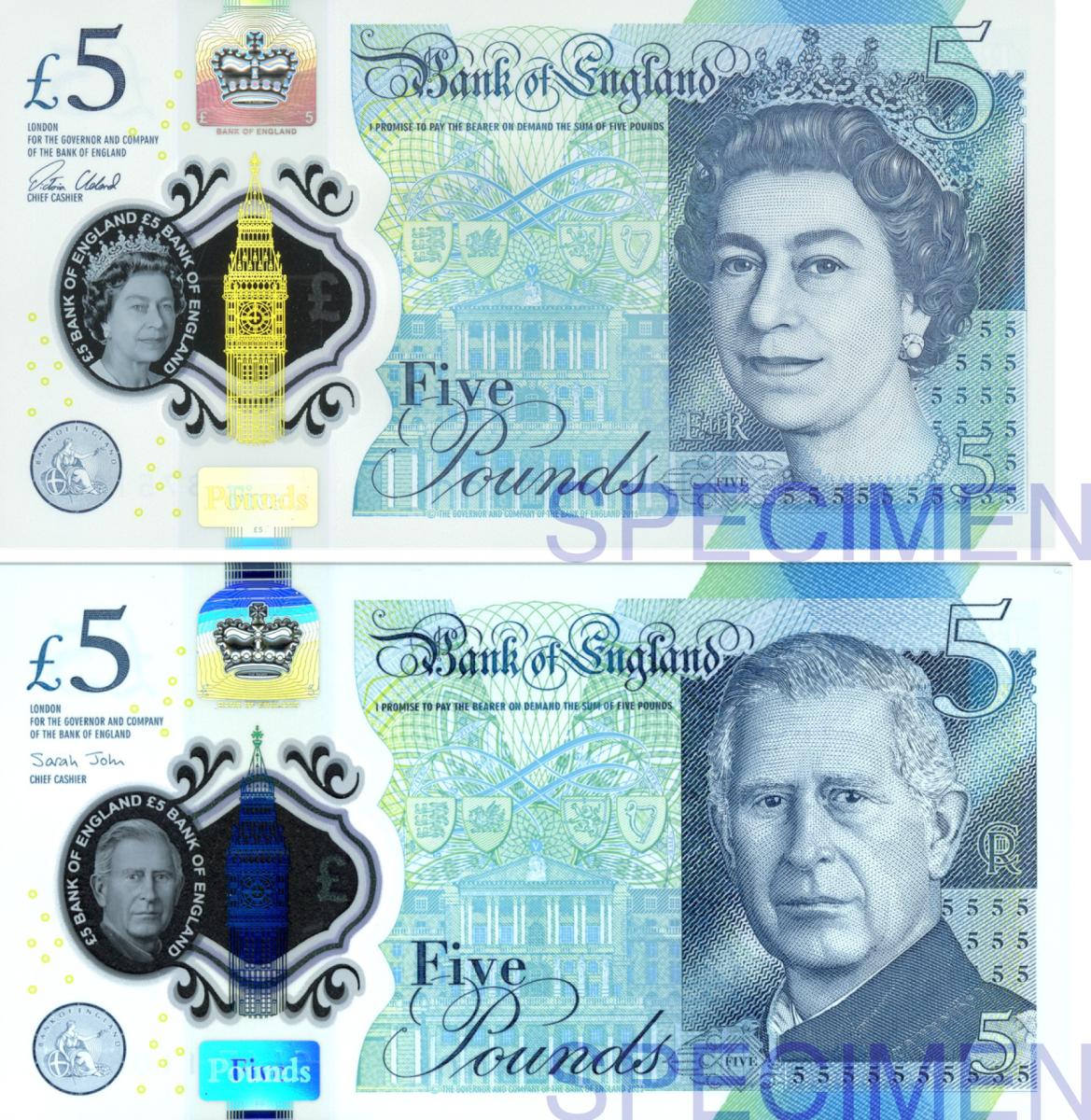
During her 70-year reign, Queen Elizabeth II was a fixture on bank notes from the United Kingdom and Commonwealth countries around the world. In 2024, the Bank of England issued new notes featuring the new monarch, King Charles III.
Source: 5 pounds, United Kingdom, 2016/2024 | 2022.33.1, 2024.20.22
Women, but mostly poets and singers
The number of countries with historically important woman on their bank notes has been growing steadily since the 1990s. Alongside this increased representation, another trend appears: although male portrait subjects are likely to have been politicians, scientists or athletes, many of the women featured have made contributions in fields more often associated with women, such as the arts, nursing, education or humanitarian efforts. A recent international study of bank notes found that the most common occupation of the featured women has been poet or writer.1
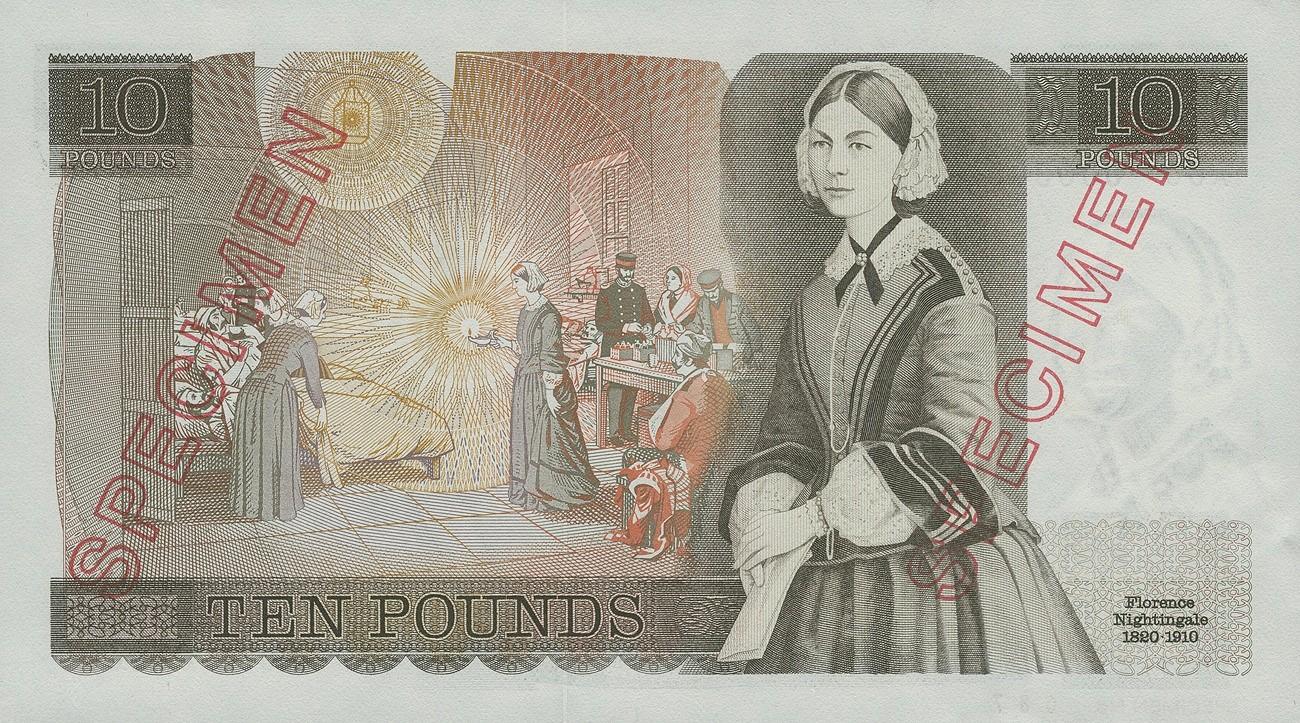
Florence Nightingale (1820–1910) was an English nurse, statistician and activist. She served in Constantinople (now Istanbul) during the Crimean War and modernized the profession of nursing by introducing better hygiene practices.
Source: 10 pounds, United Kingdom, 1975 | 1975.42.1
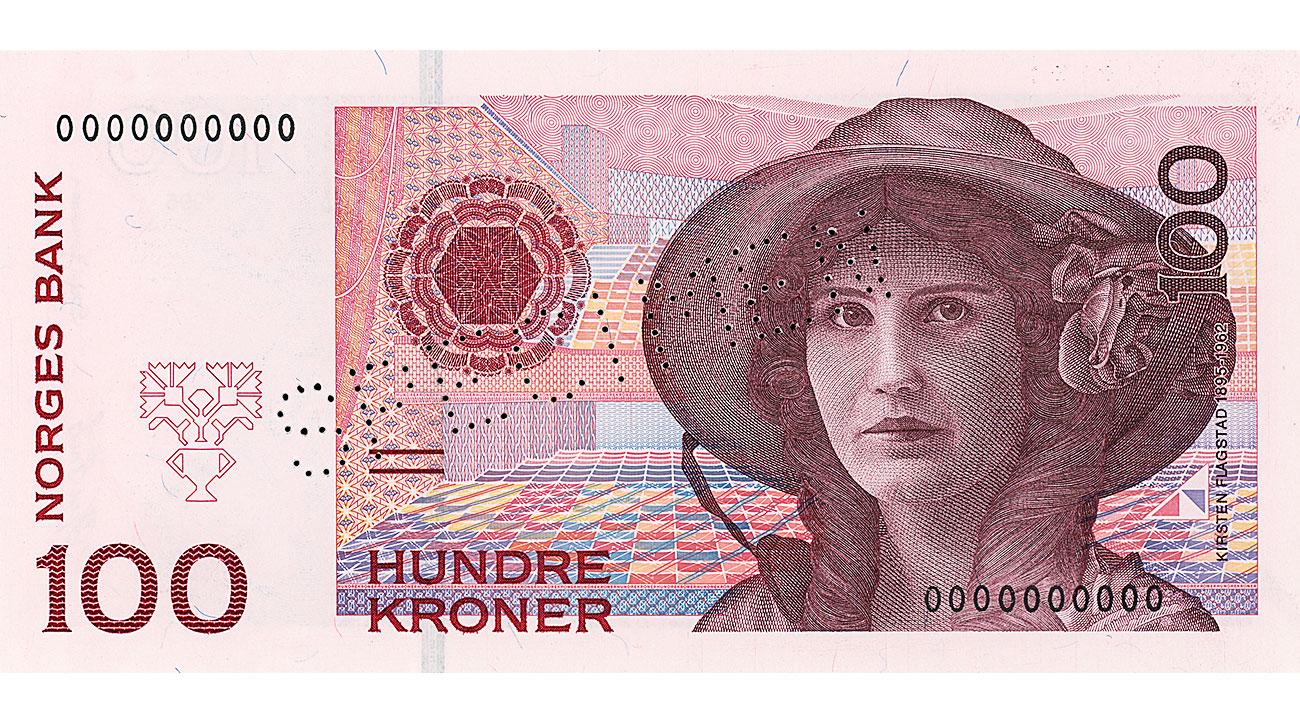
Kirsten Flagstad (1895–1962) was a Norwegian opera singer—one of the greatest of the 20th century. She began her career in Norway but later moved to the United States to join the Metropolitan Opera in New York City.
Source: 100 kroner, Norway, 1995 | 1998.7.29
Of course, we can find many notable exceptions: polymath and astronomer Mary Somerville and physician Flora Murray on Scottish notes, as well as political activist sisters Patria, Minerva and Maria Teresa Mirabel on a note from the Dominican Republic. In fact, women activists and revolutionaries have often been represented on notes from South American and South Asian countries. And regardless of their profession, many of the women represented were politically active or advocated strongly for social change and greater rights for women.
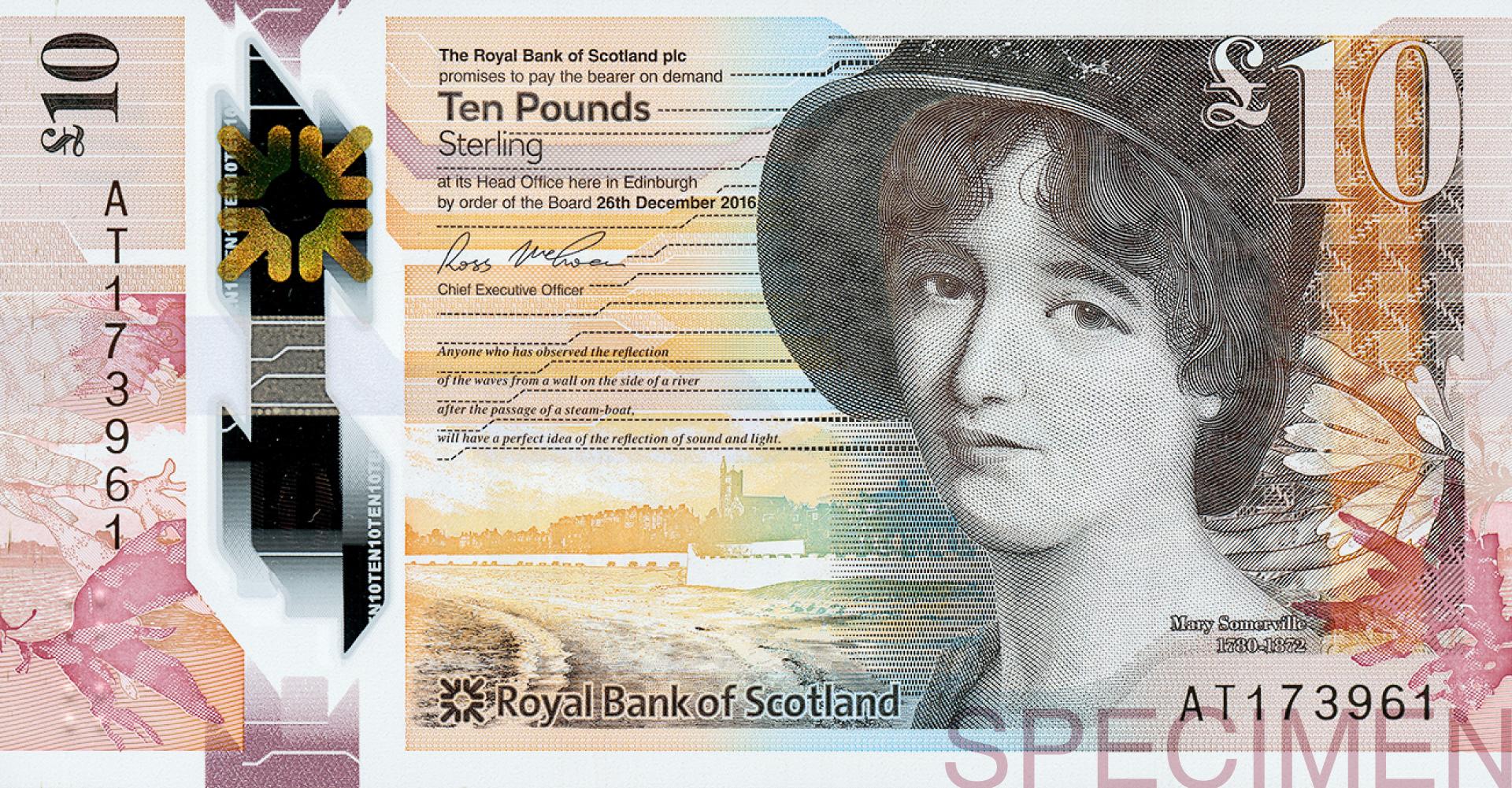
Mary Somerville (1780–1872) was a Scottish scientist and mathematician. She was known for solving complex math problems and published extensively on subjects such as light and magnetism, planetary movement, gravity and many more.
Source: 10 pounds, Royal Bank of Scotland, Scotland, 2017 | 2018.58.2
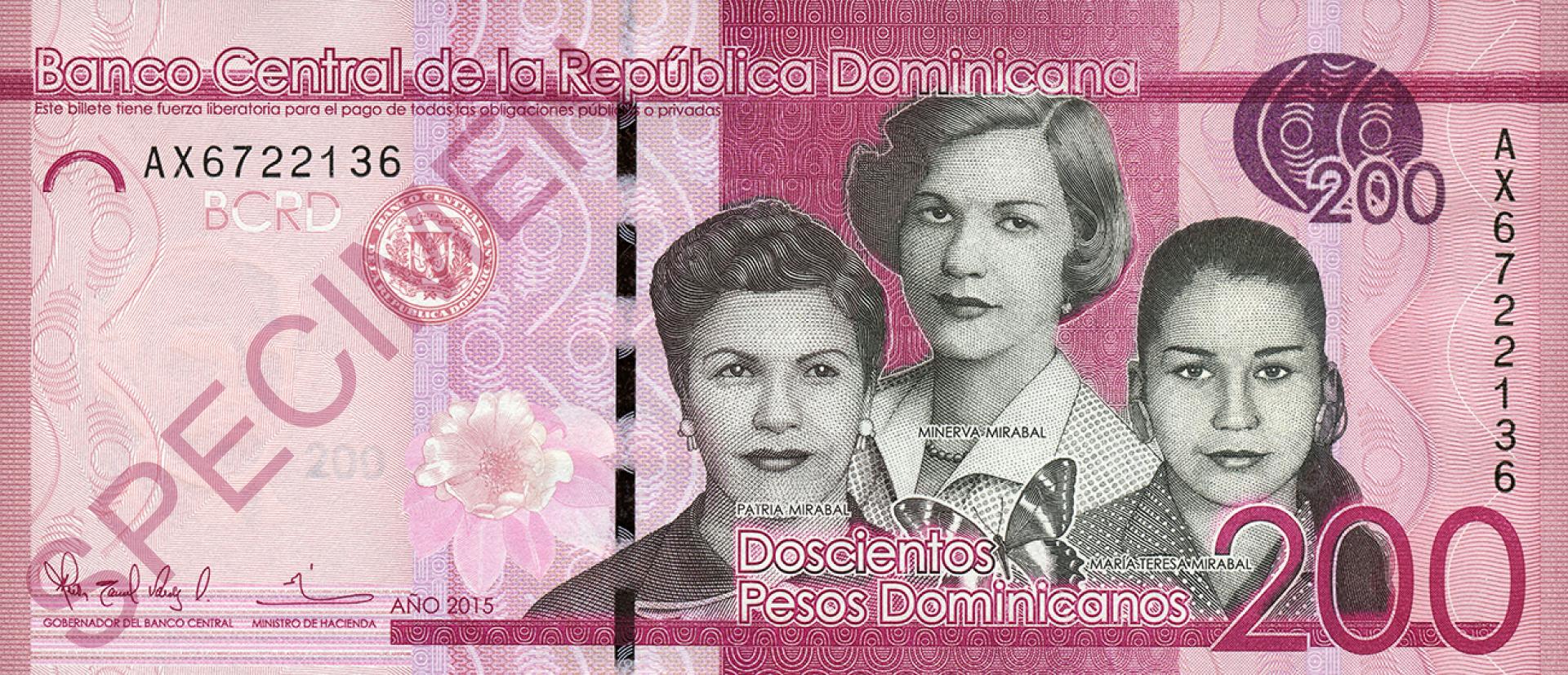
Patria, Minerva and María Teresa Mirabel were sisters who opposed the dictatorship of Rafael Trujillo in the Dominican Republic. They were assassinated due to their political activities on November 25th, 1960. The day is now known as International Day for the Elimination of Violence Against Women.
Source: 200 pesos dominicanos, Dominican Republic, 2015 | 2018.63.2
The trend of featuring women who worked in fields more often associated with women raises interesting questions: Do contemporary stereotypes about the type of work that women do influence decisions about who to feature on bank notes? Or is the trend a reflection of the public life of women in different parts of the world throughout history when certain male-dominated occupations were inaccessible to most women?
Representation today
Today, some 46 countries have had or currently have a bank note in circulation that features at least one woman. That number has been growing slowly but steadily over the past two decades and, according to a Forbes article from 2023, once a country has featured a woman on its bank notes at least once, it is more likely to continue doing so.
Women, inspiring us all
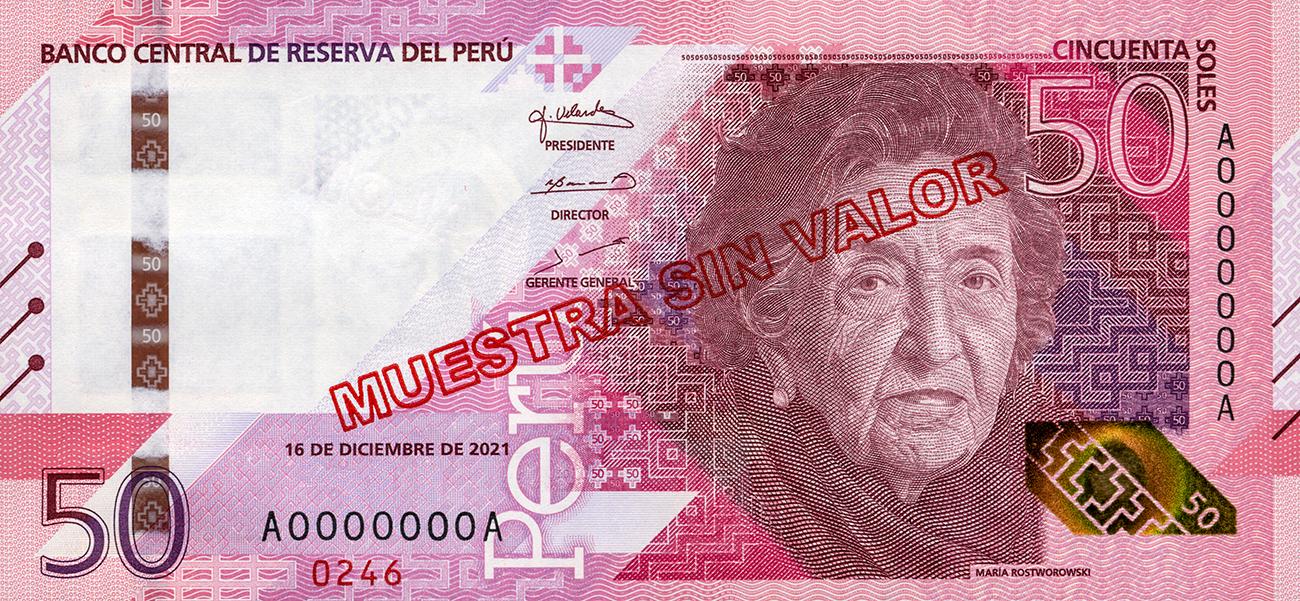
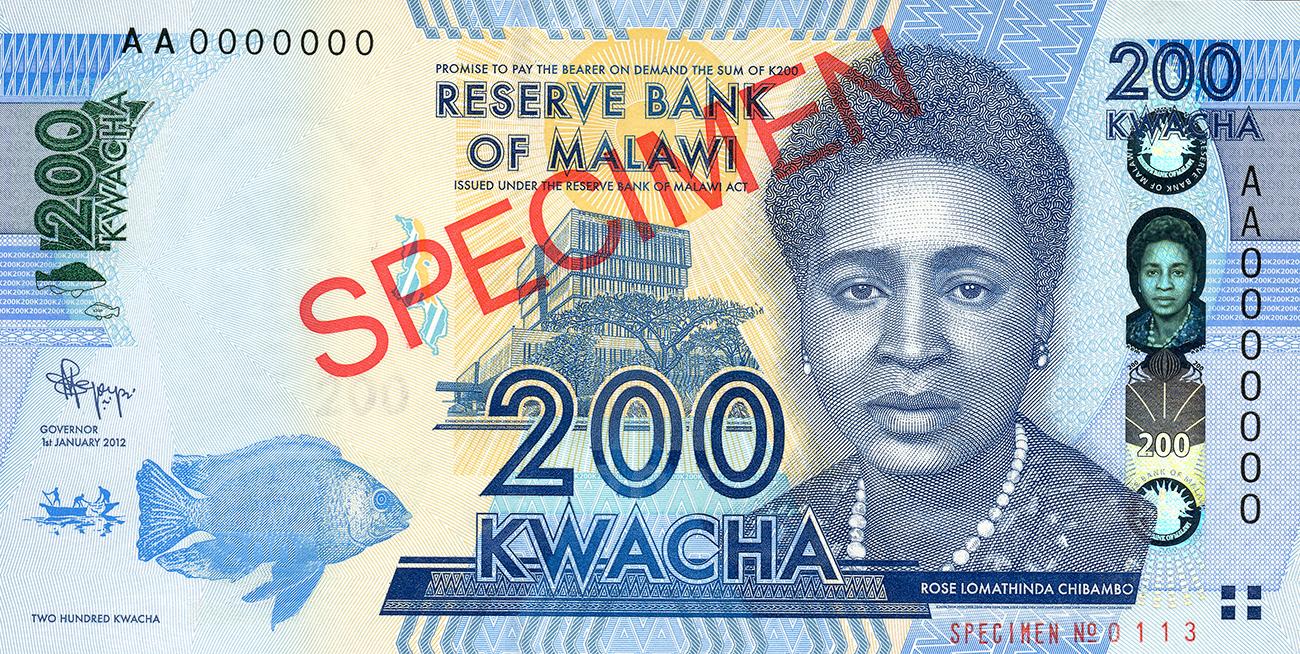
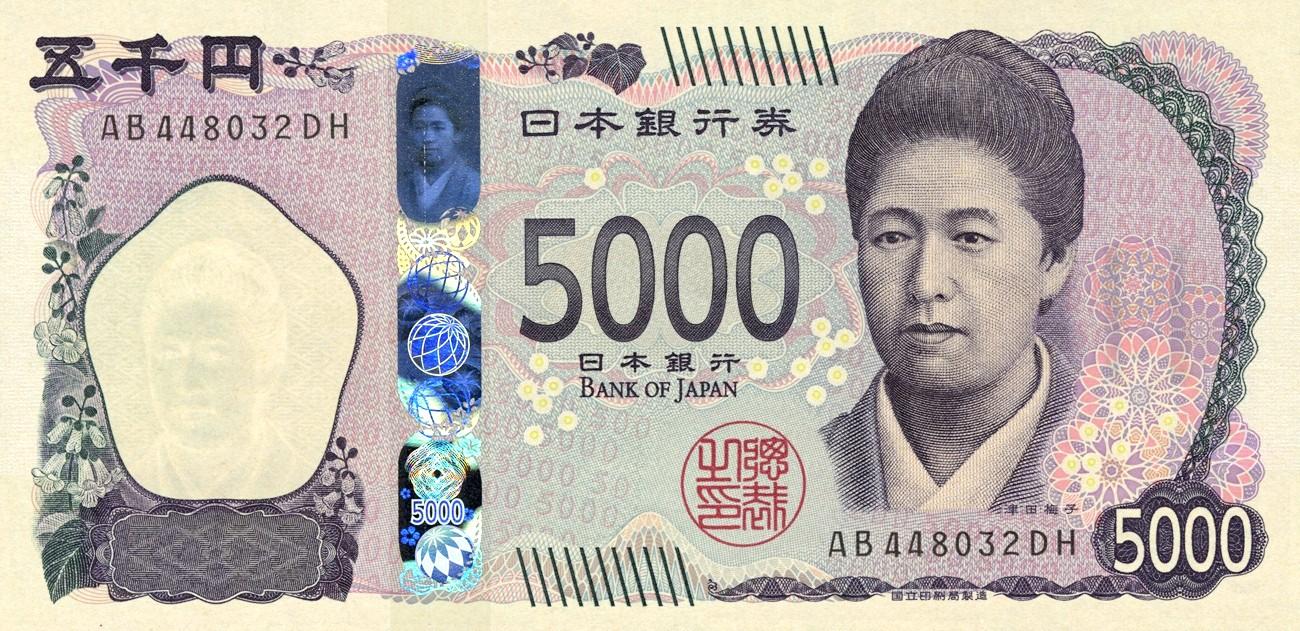
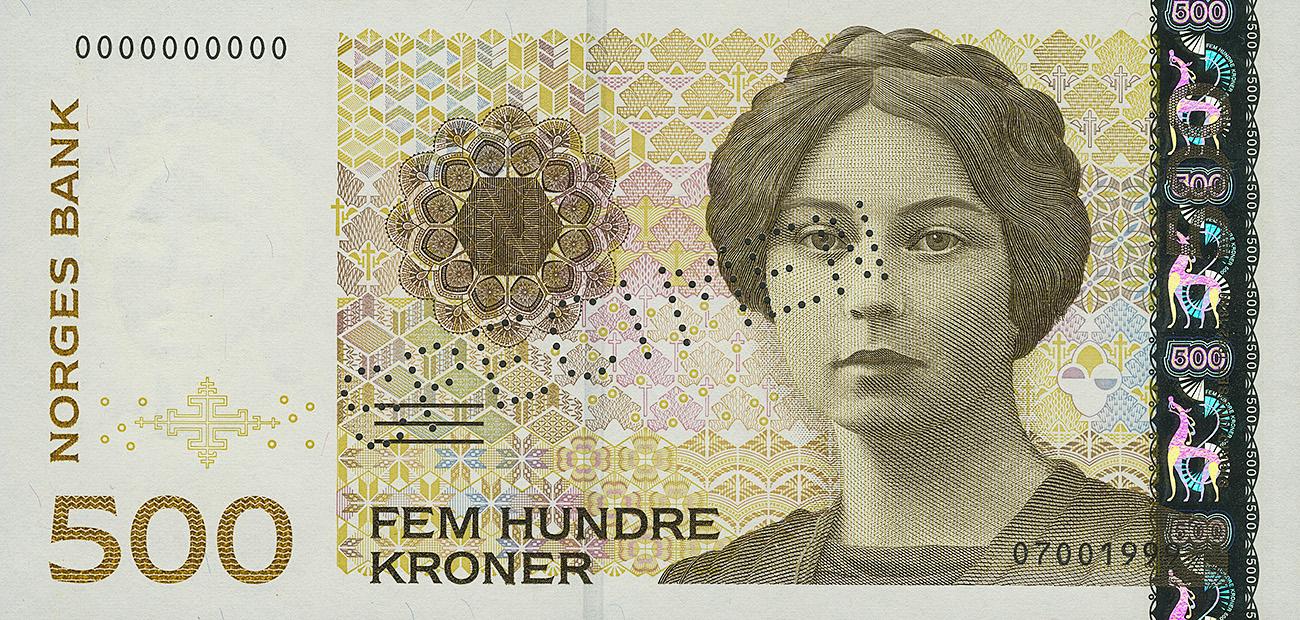
The lives and stories of the women whose portraits have appeared on bank notes around the world are nothing short of inspiring. They were activists, revolutionaries, politicians, historians, authors, artists and more. And they have all left their mark on history.
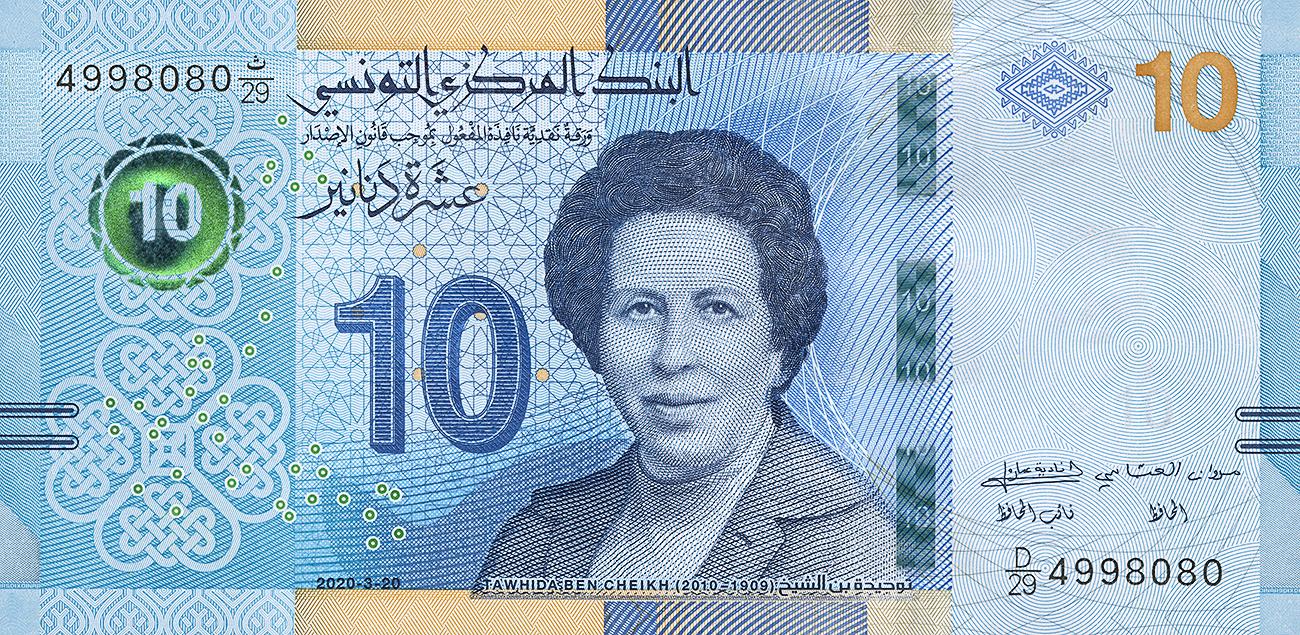
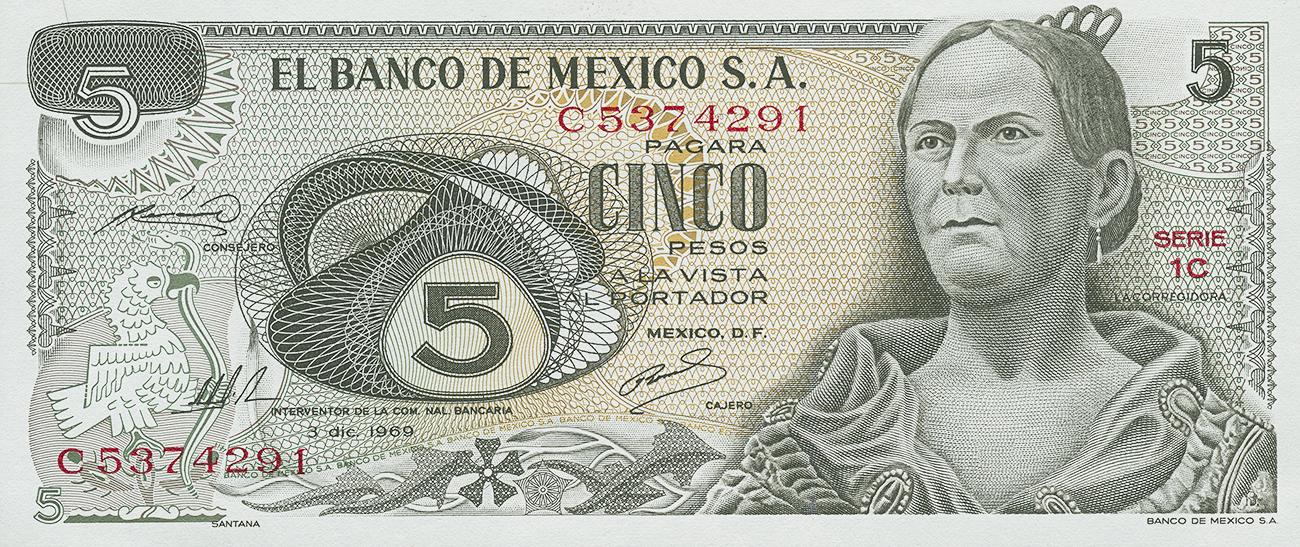
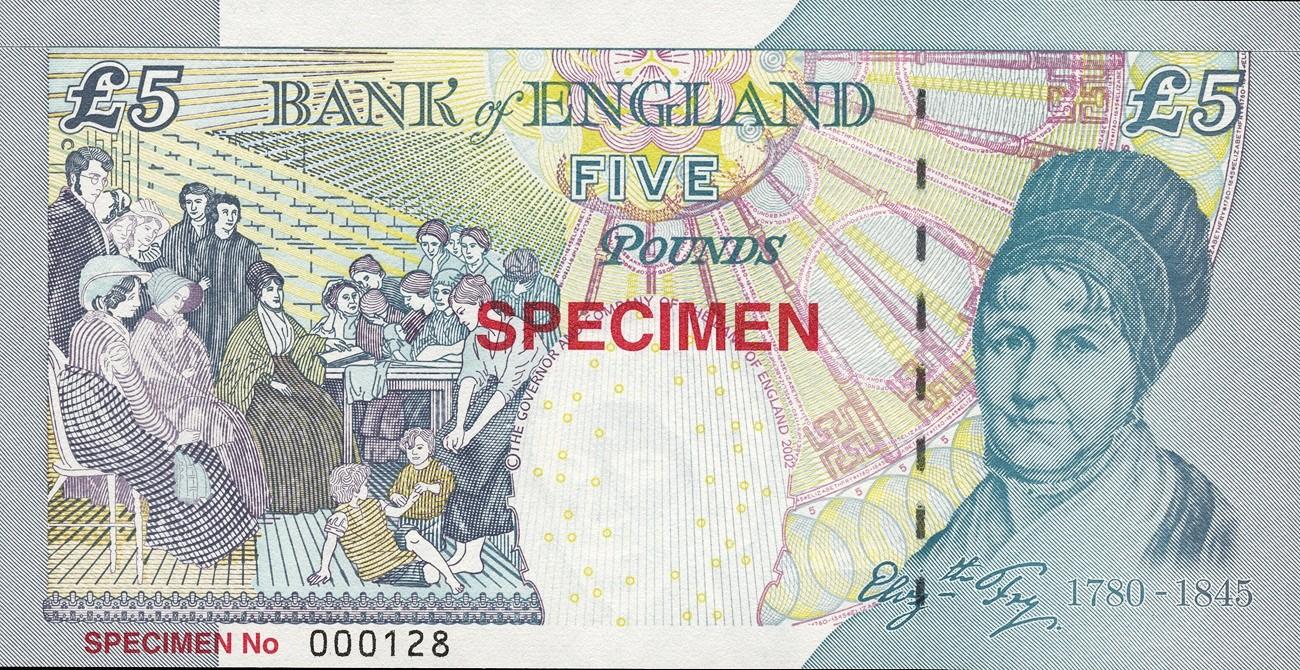
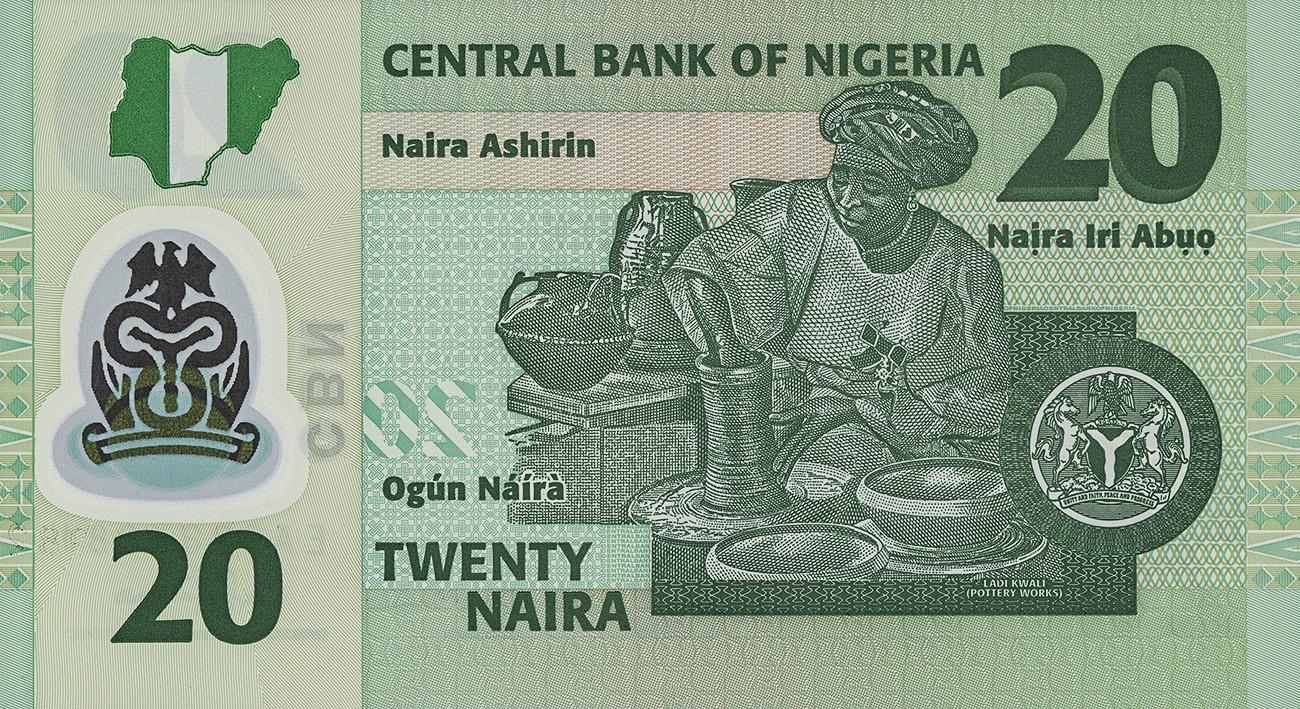
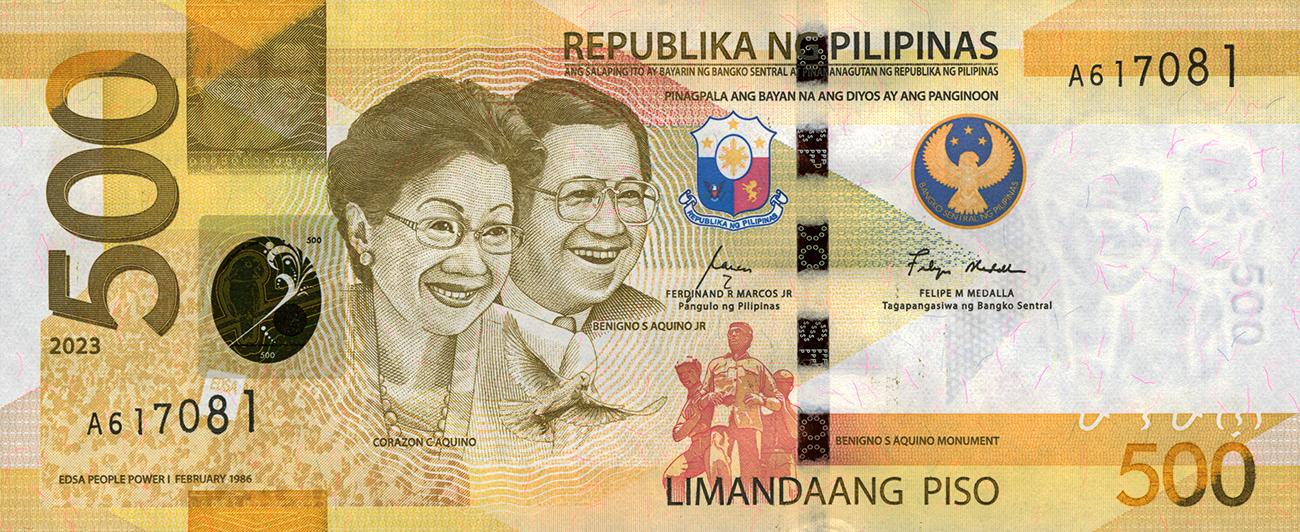
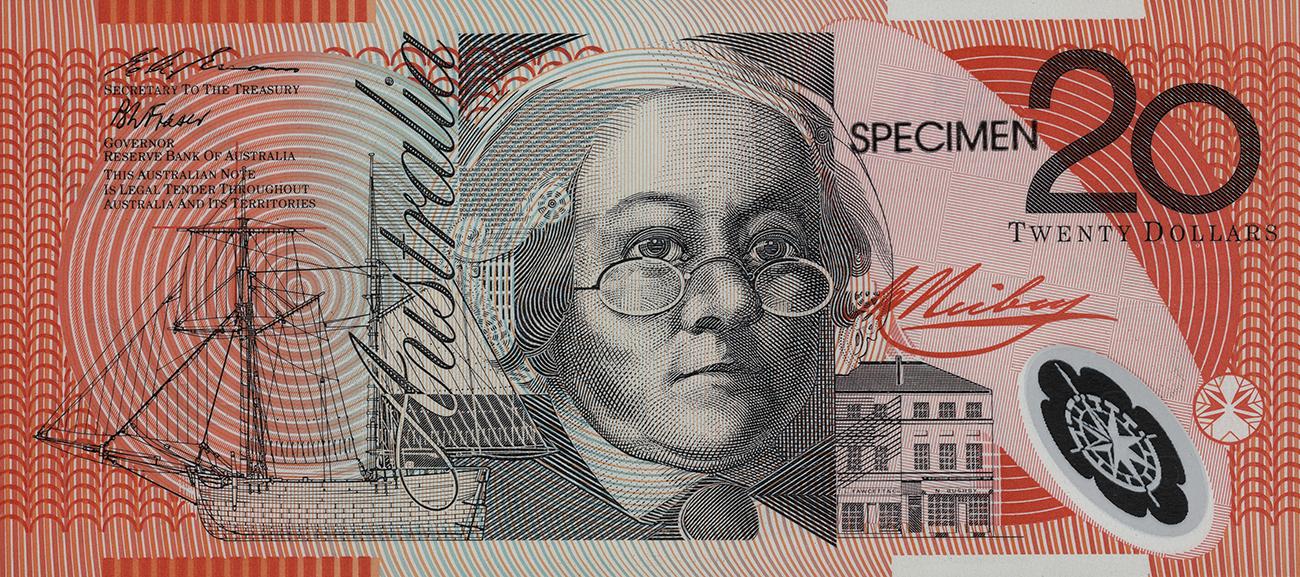
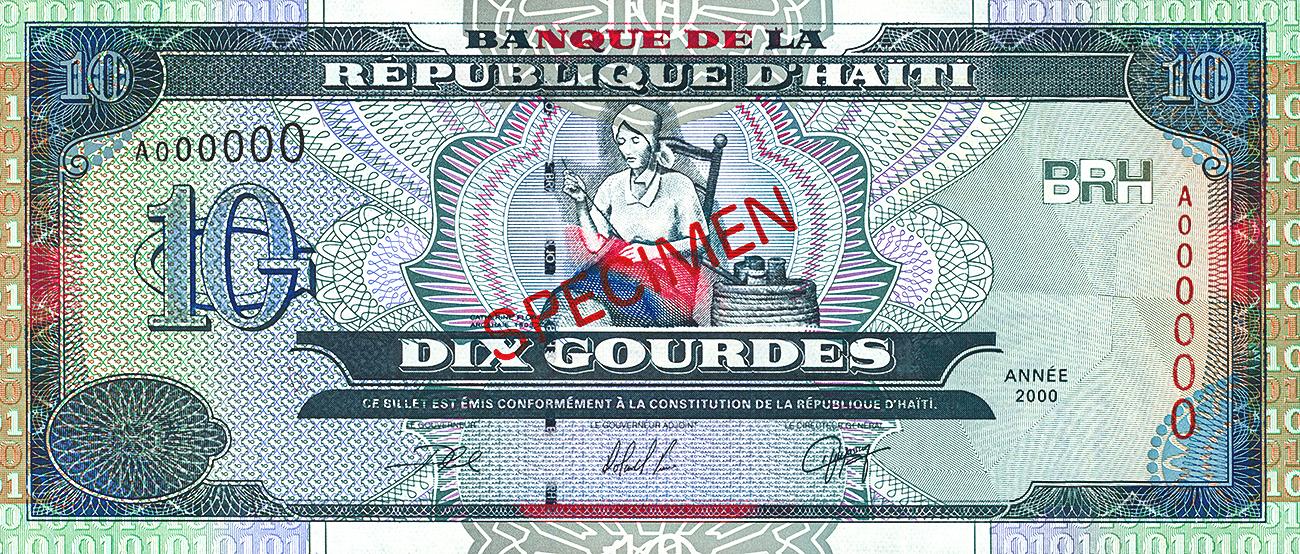
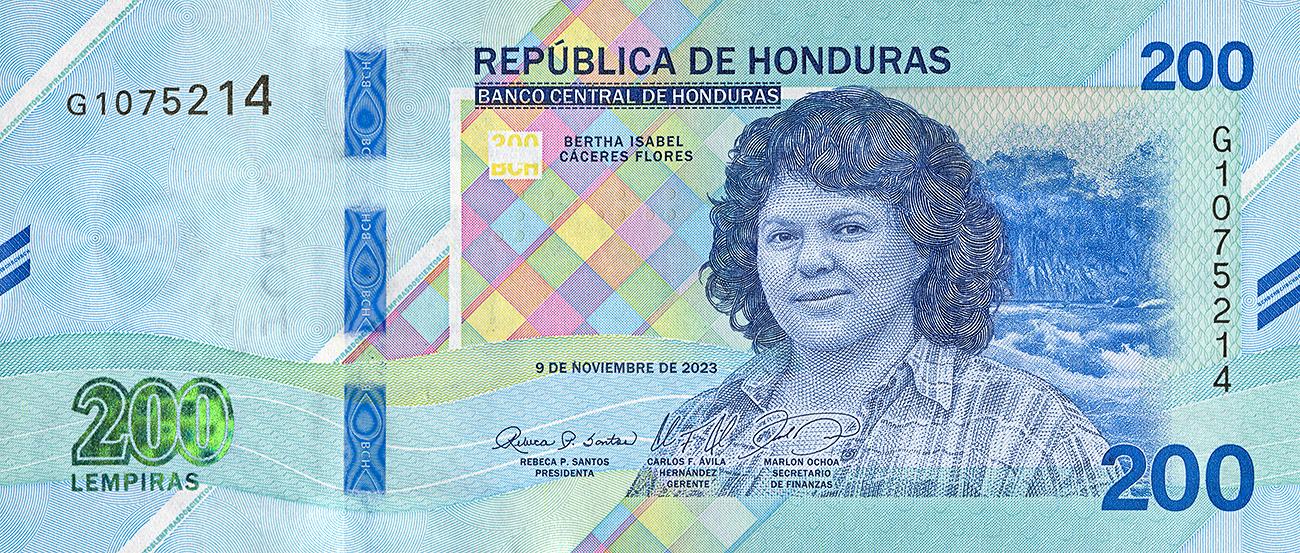
- 1. International Accounting Bulletin, “Women on Bills: Countries that feature women on their banknotes” (April 26, 2023).[←]
Content type(s):
Blog posts
We want to hear from you! Do you have an idea for a blog post you’d like to see?
The Museum Blog

Teaching with the Vertical $20
Engage students with creative activities linking the new bank note to careers, civics, history, social studies and art.
A summer road trip of Canadian tokens
We took a virtual road trip through nearly every Canadian province and territory via trade and souvenir tokens.
Reminiscences of the 1976 Montréal Olympic Coin Program
The Olympic Coin Program was novel, ambitious, record-breaking and for some, life-changing—much like the Olympic Games that the program helped finance.