Learn about the history of the National Currency Collection, explore some highlights and search our database.
Beyond bank notes
The National Currency Collection at the Bank of Canada Museum holds more than 130,000 artifacts showcasing money from around the world and throughout history—including the largest and most complete collection anywhere of Canadian coins, tokens and bank notes.
The Collection goes beyond money to include items used for producing currency, such as dies, plates and engraving tools. It also includes things used to help keep track of money, such as ledgers, weights and scales, cash registers, savings banks and wallets. And it holds a fascinating array of counterfeit money, revealing the ongoing challenges of securing currency.
The Collection also includes objects of value from around the globe—items that have served as both mediums of exchange, and symbols of ritual and commemoration. These include cultural belongings such as wampum and a rai, an 1,800 kilogram stone disc from the Micronesian island of Yap.
A bit of background
The National Currency Collection began in the late 1950s, owing partly to the Bank of Canada’s mandate to be the sole provider of Canadian bank notes. As the central bank’s notes replaced those of commercial banks, the commercial notes were taken out of circulation and incinerated. James Coyne, the Governor of the Bank of Canada at the time, was dismayed to see a substantial part of Canadian banking history—especially of the smaller banks—literally going up in smoke. Coyne identified a need for a national collection to preserve that history.
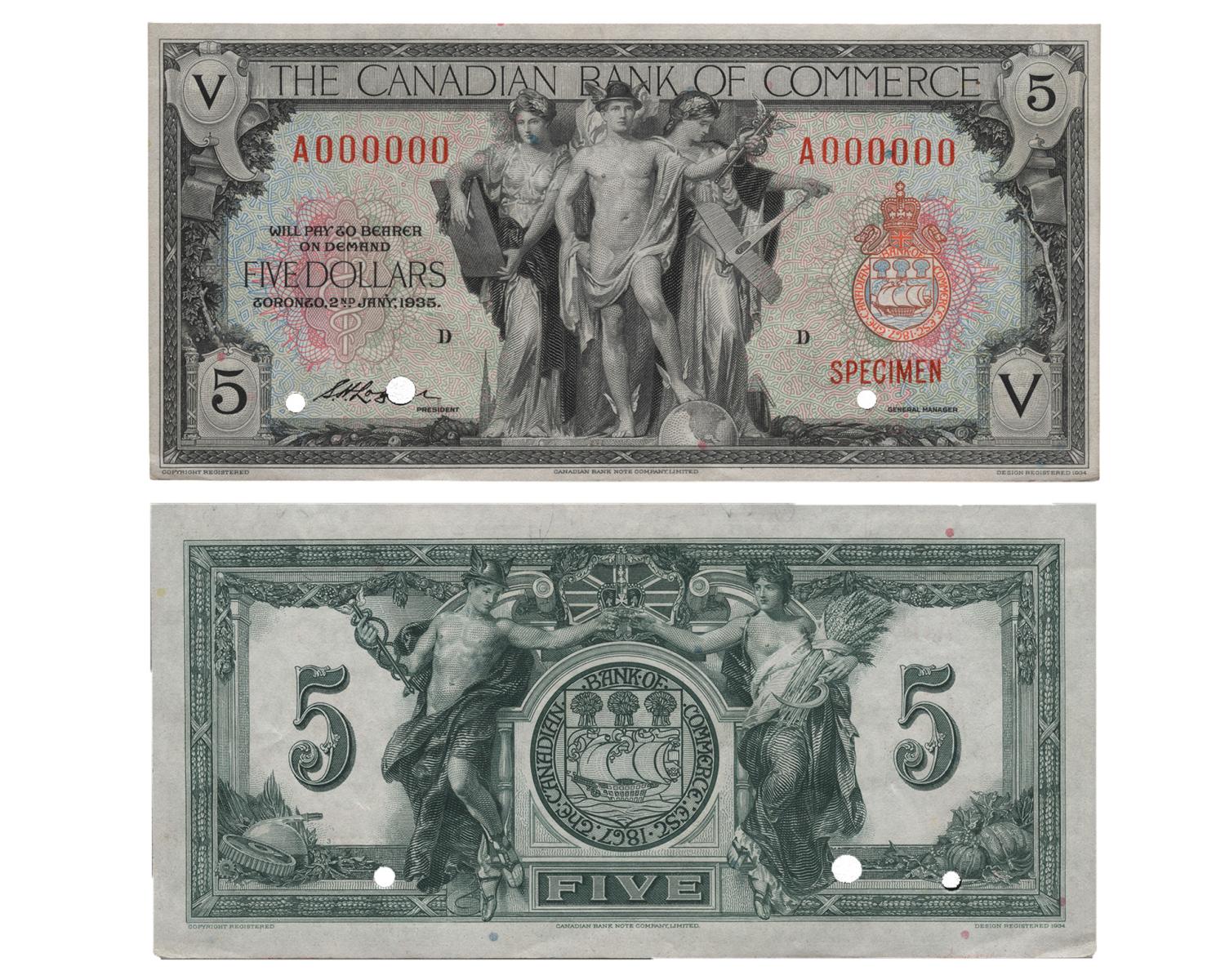
Until the Bank was opened in 1935, most Canadian bank notes were issued by commercial banks. It was the destruction of notes like this that prompted Governor Coyne’s interest in creating a national collection.
Source: 5 dollars, Canadian Bank of Commerce, 1935 | 1962.27.36
In 1963, Governor Louis Rasminsky officially established the National Currency Collection, appointing Major Sheldon S. Carroll as the first curator. Carroll’s mandate was ambitious: to assemble the most comprehensive collection possible of Canadian currency, while also documenting the global history of money. This vision also led to the acquisition of important reference books and periodicals for a numismatic library, which further enriched the museum’s holdings.
Expanding the Collection
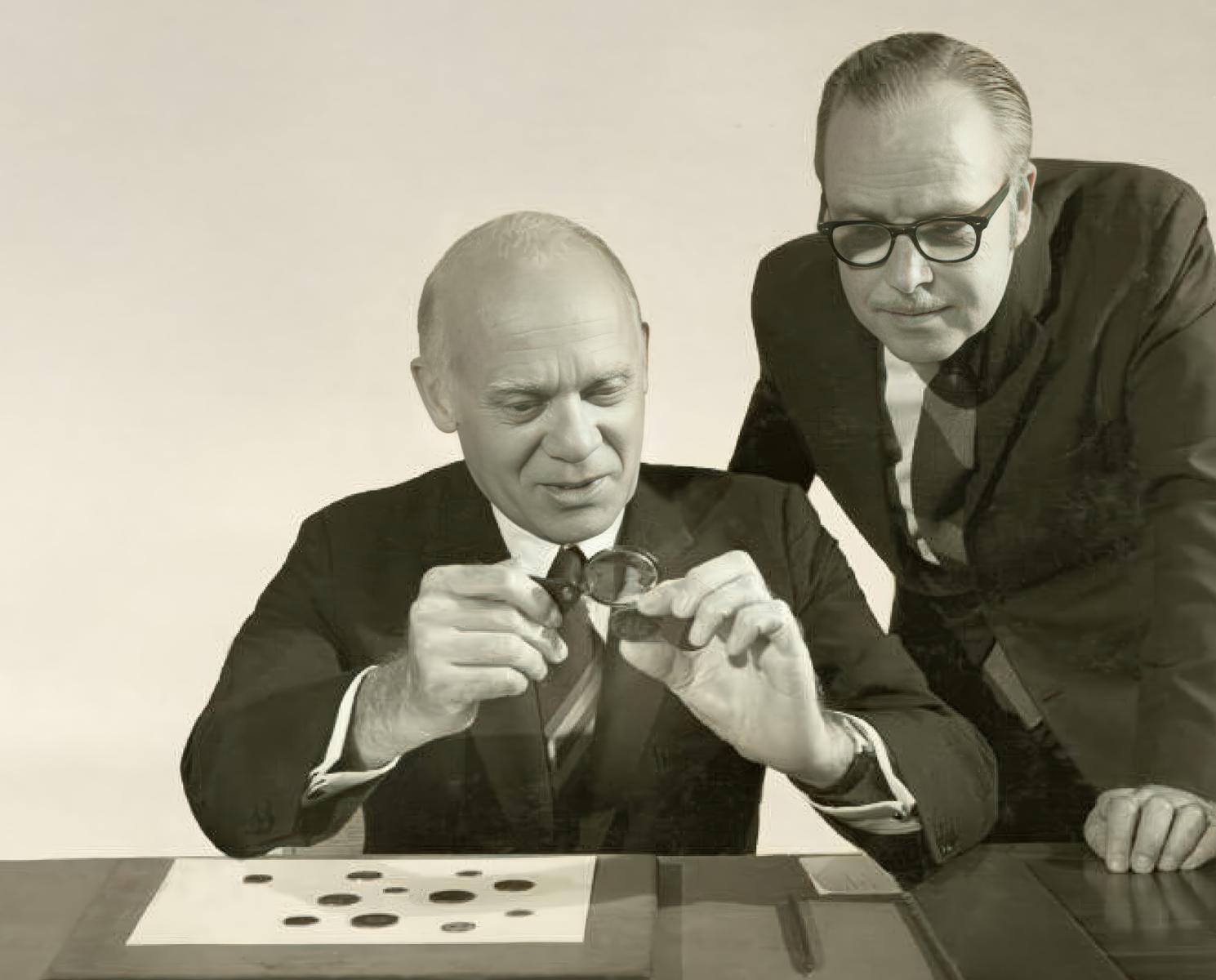
The third Governor of the Bank, Louis Rasminsky (left) with Major Sheldon S. Carroll, the first curator of the National Currency Collection. Plans for expanding the head office were underway by 1965, with space set aside for a currency museum.
Source: PC100 3-21 Gov Rasminsky and Major Carroll 1969-71 photo Malak – retouched
To build this world-class collection, Caroll and his successors acquired important private and public collections, working with institutions such as the Royal Canadian Mint, the Department of Finance, Library and Archives Canada, and numismatic societies across Canada. Donations and acquisitions from collectors further broadened the Collection.
Supported by an ongoing annual acquisition program, the Museum has assembled a world-class numismatic collection, including the largest and most complete collection anywhere of Canadian coins, bank notes, tokens and payment cards.
Today, the Collection houses not just historical artifacts but modern and contemporary pieces that reflect ongoing economic and technological change. We actively seek objects that tell new and diverse stories, ensuring our collection remains dynamic and relevant.
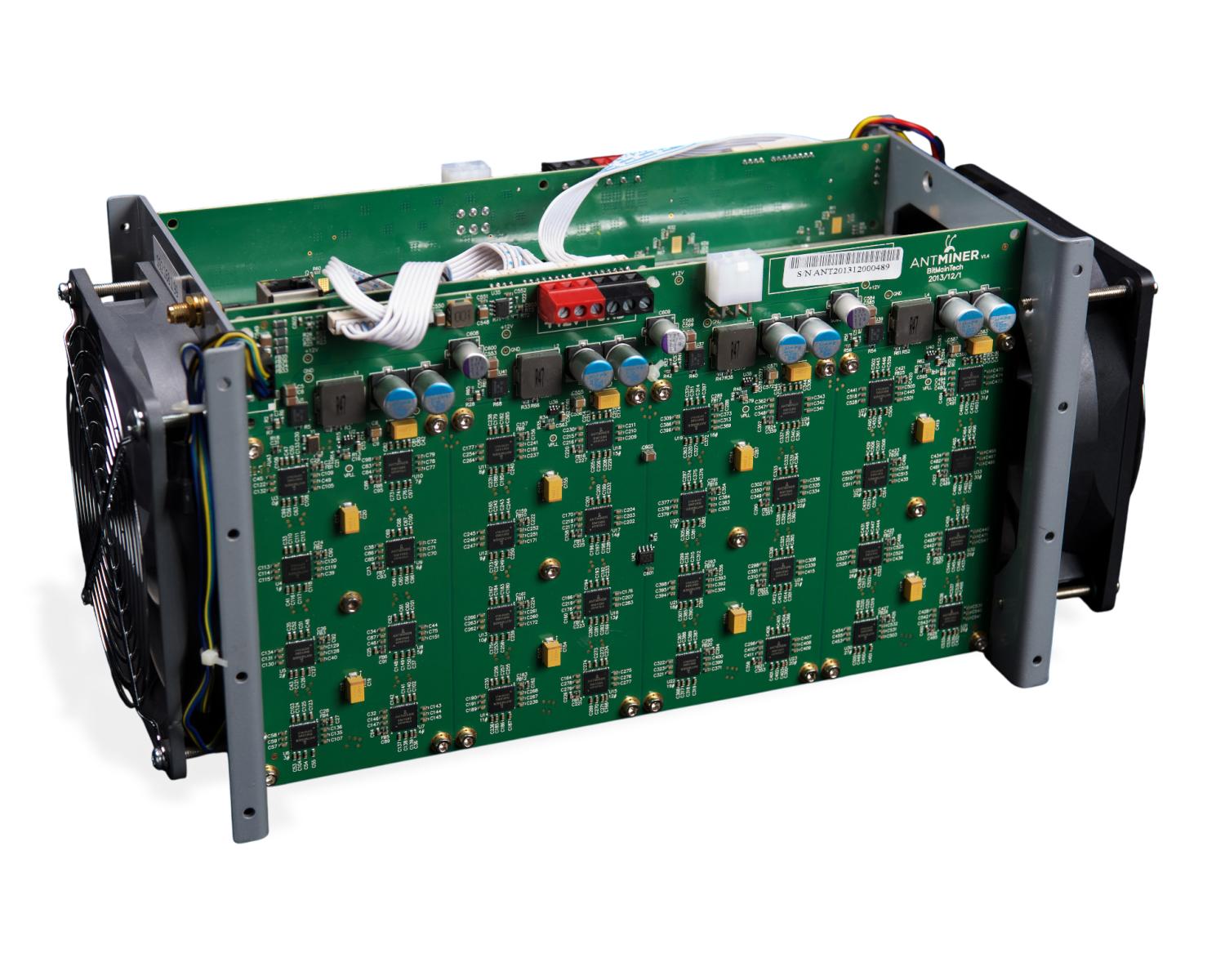
Our collection evolves with technology. This Bitcoin mining computer from 2013 represents the emergence of digital currencies.
Source: Antminer S1, ASIC cryptocurrency miner, 2013 | 2018.12.1
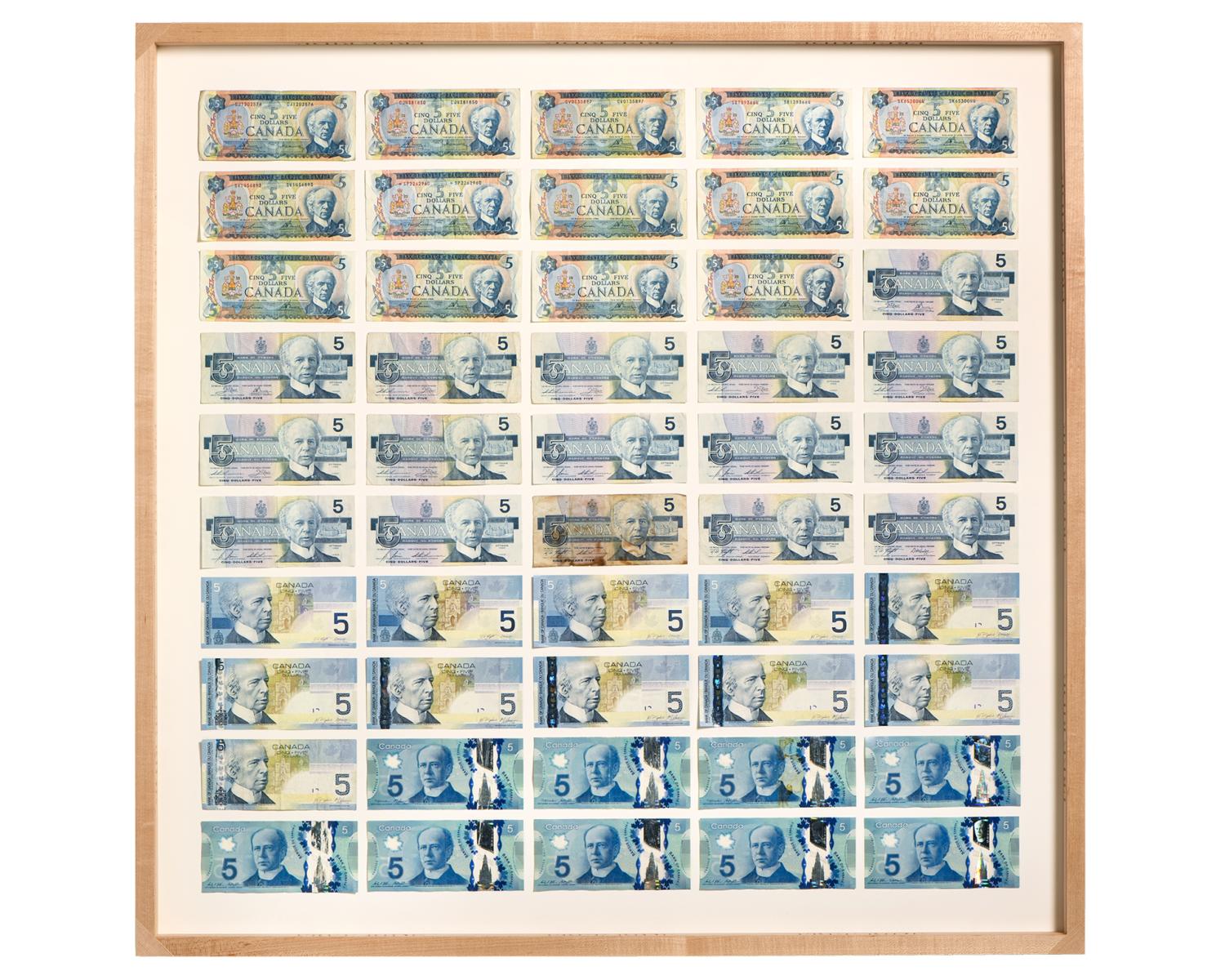
Frank Shebageget’s Free Ride uses actual $5 bills to challenge perceptions about Indigenous treaty rights and economic realities. It is part of our growing art collection.
Source: Free Ride, collage, Frank Shebageget, 2022 | 2022.36.1
Collection highlights
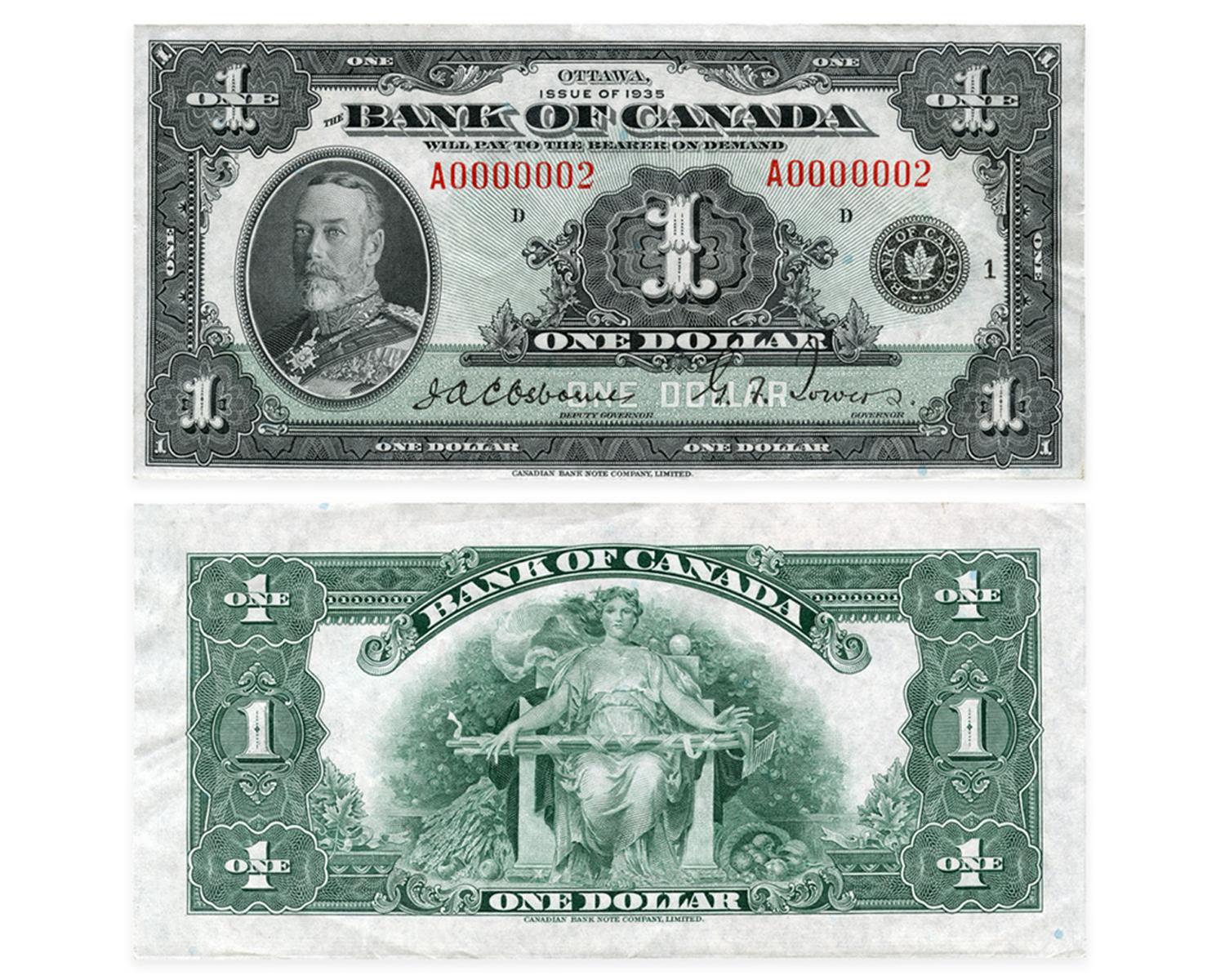
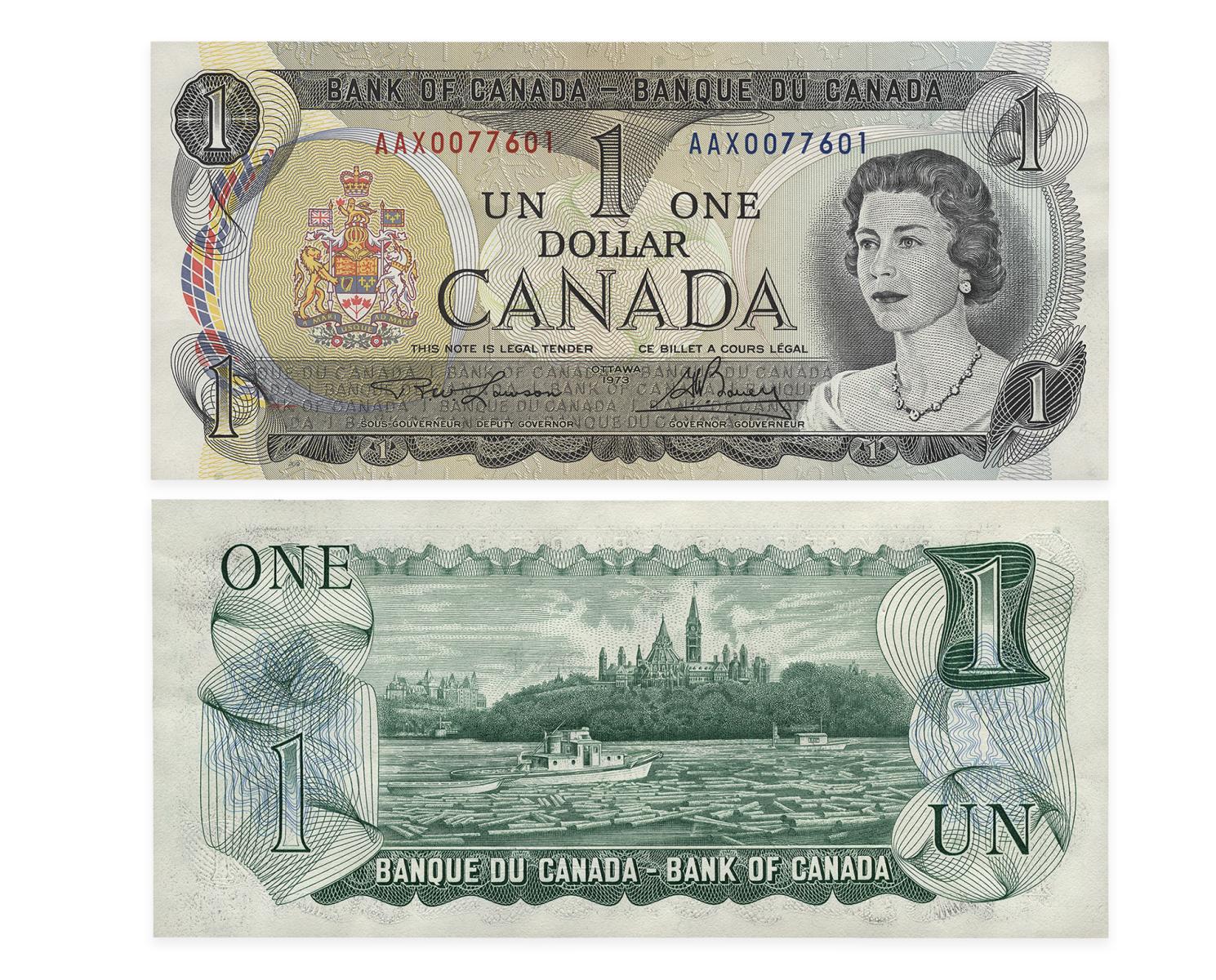
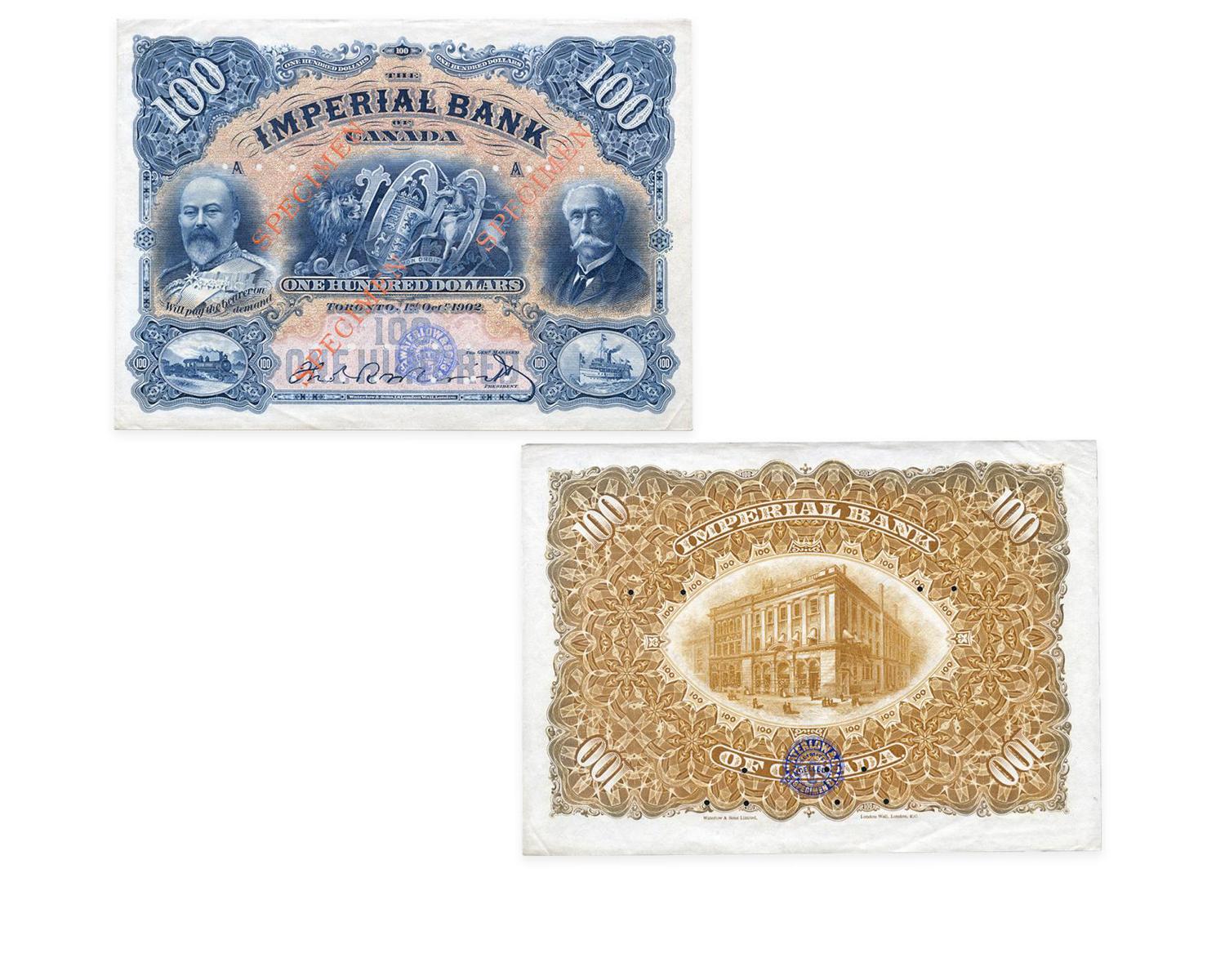
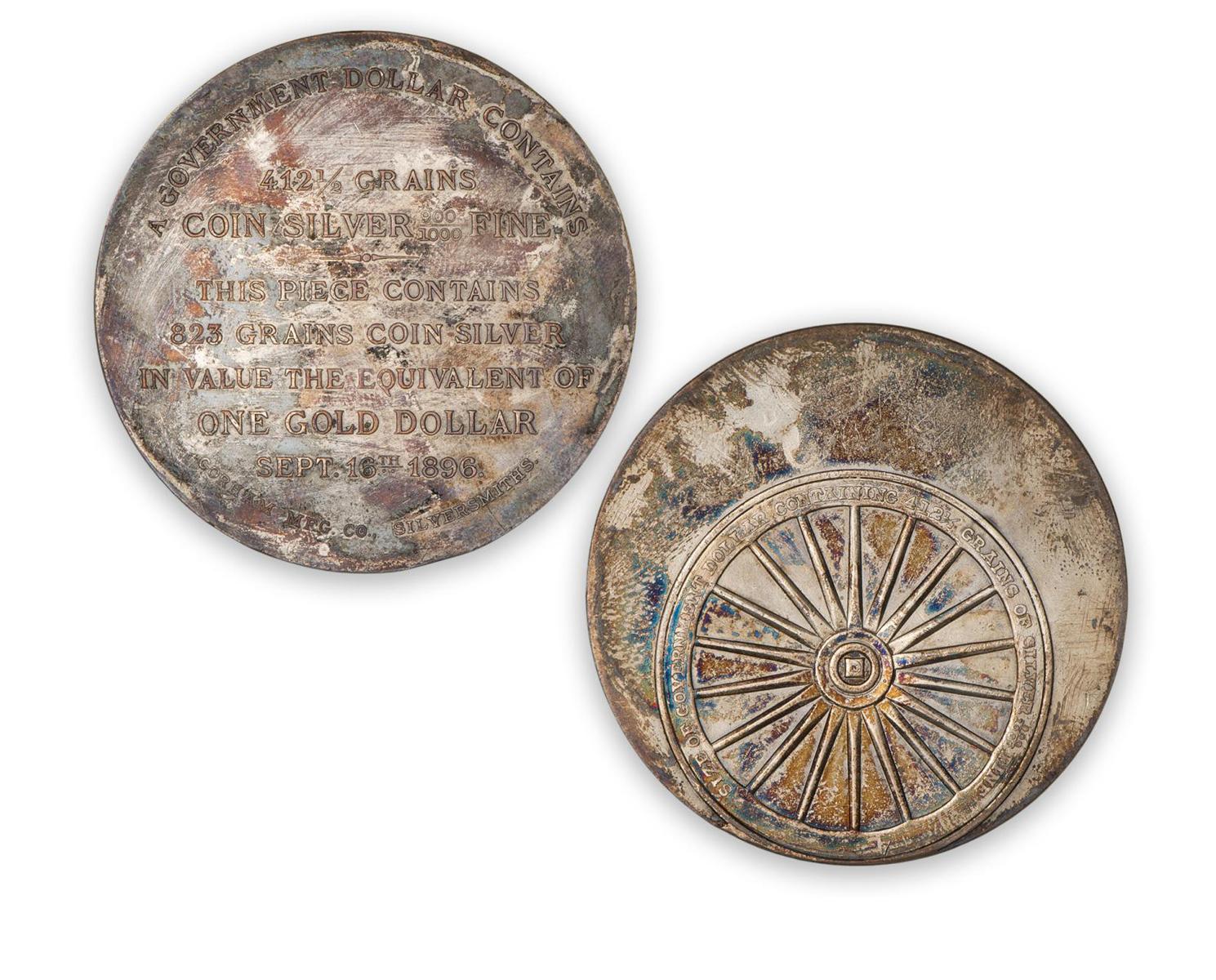
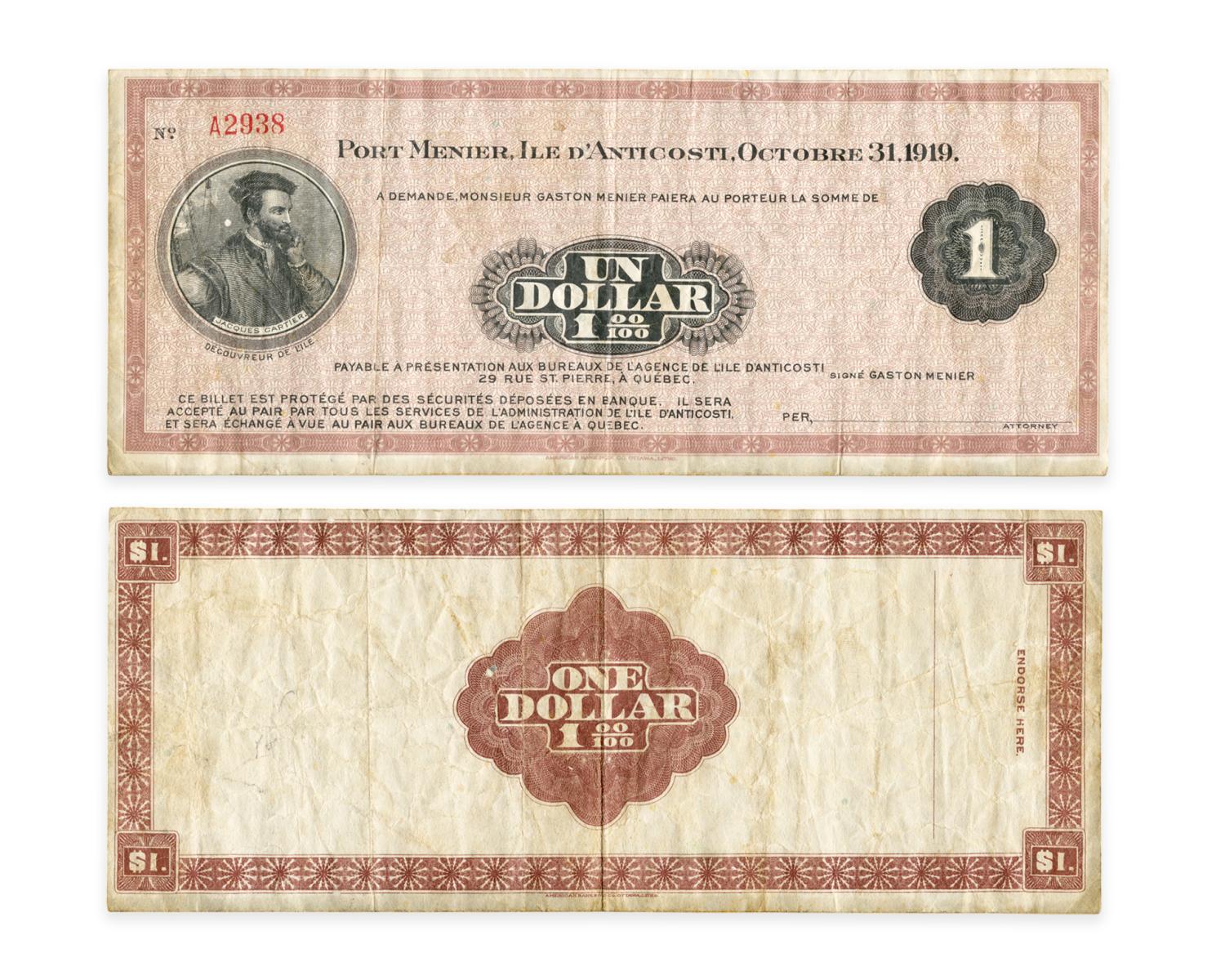
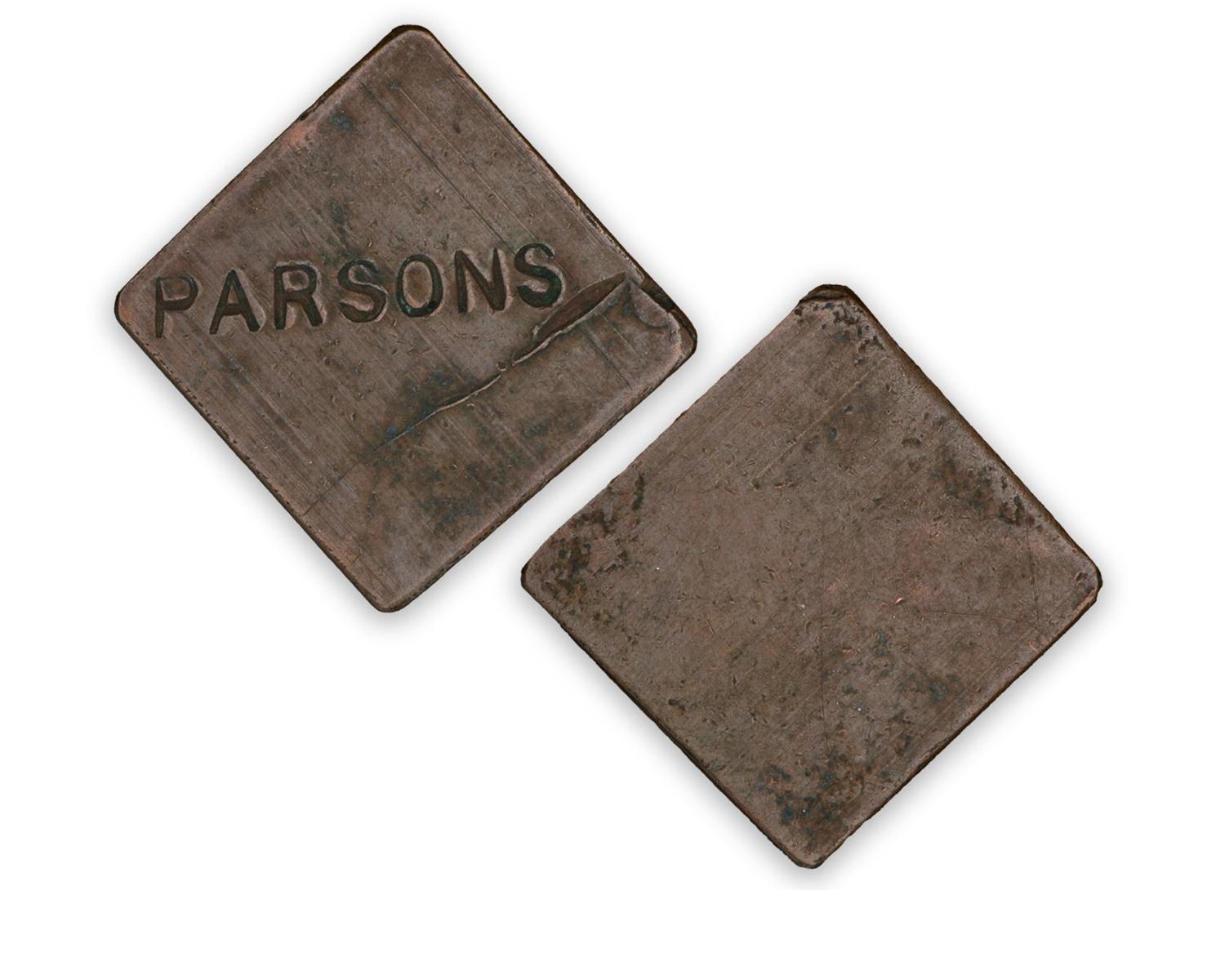
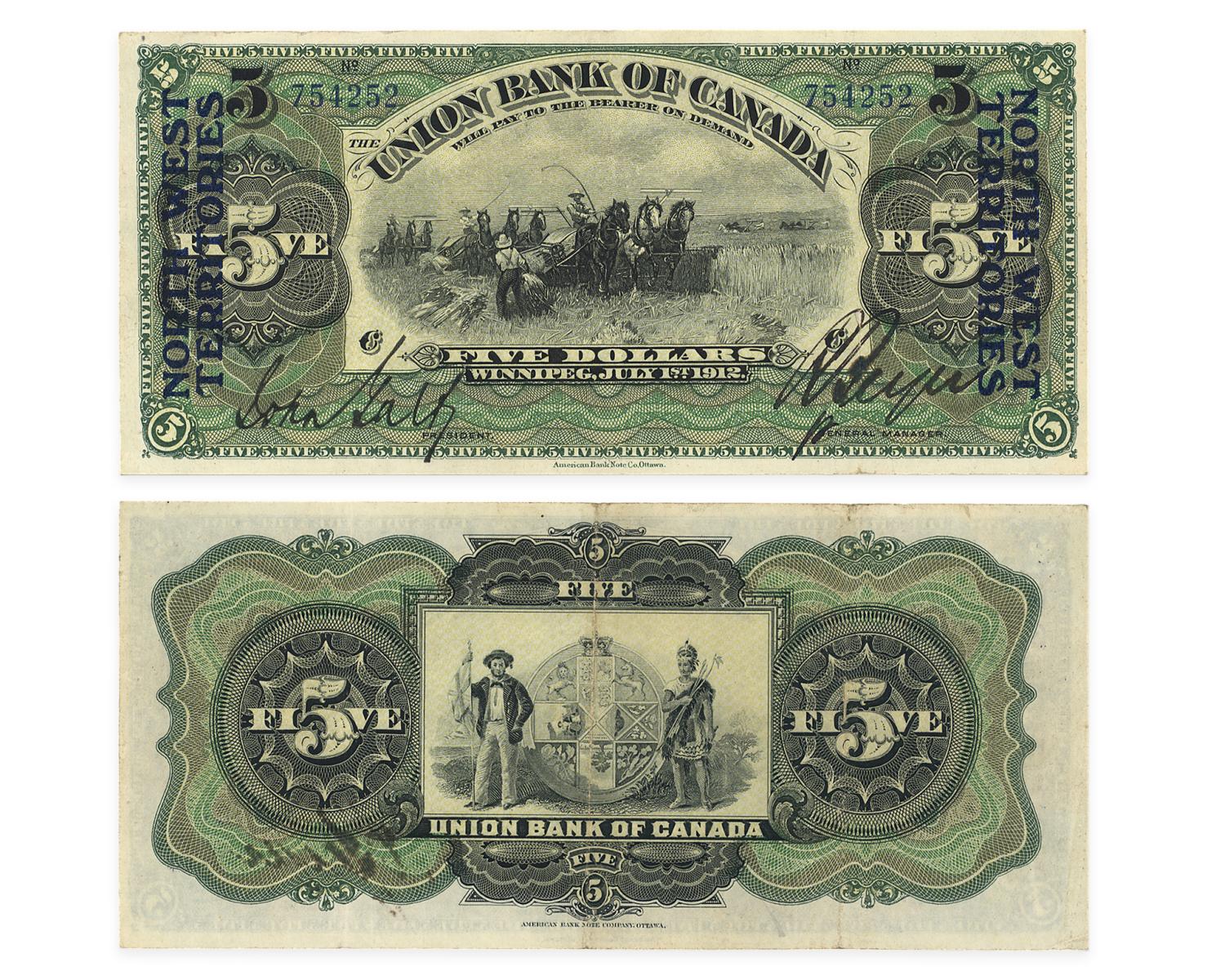
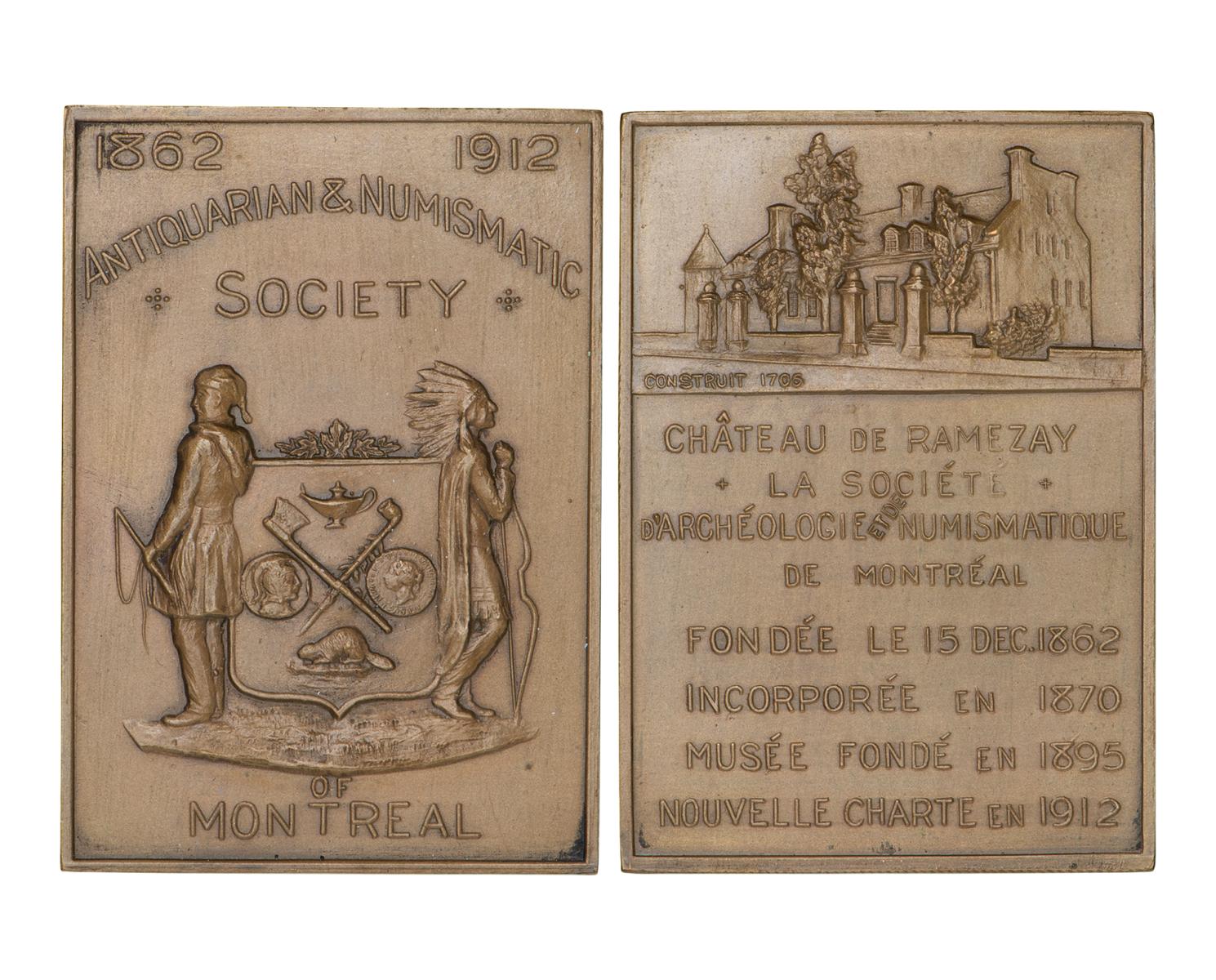
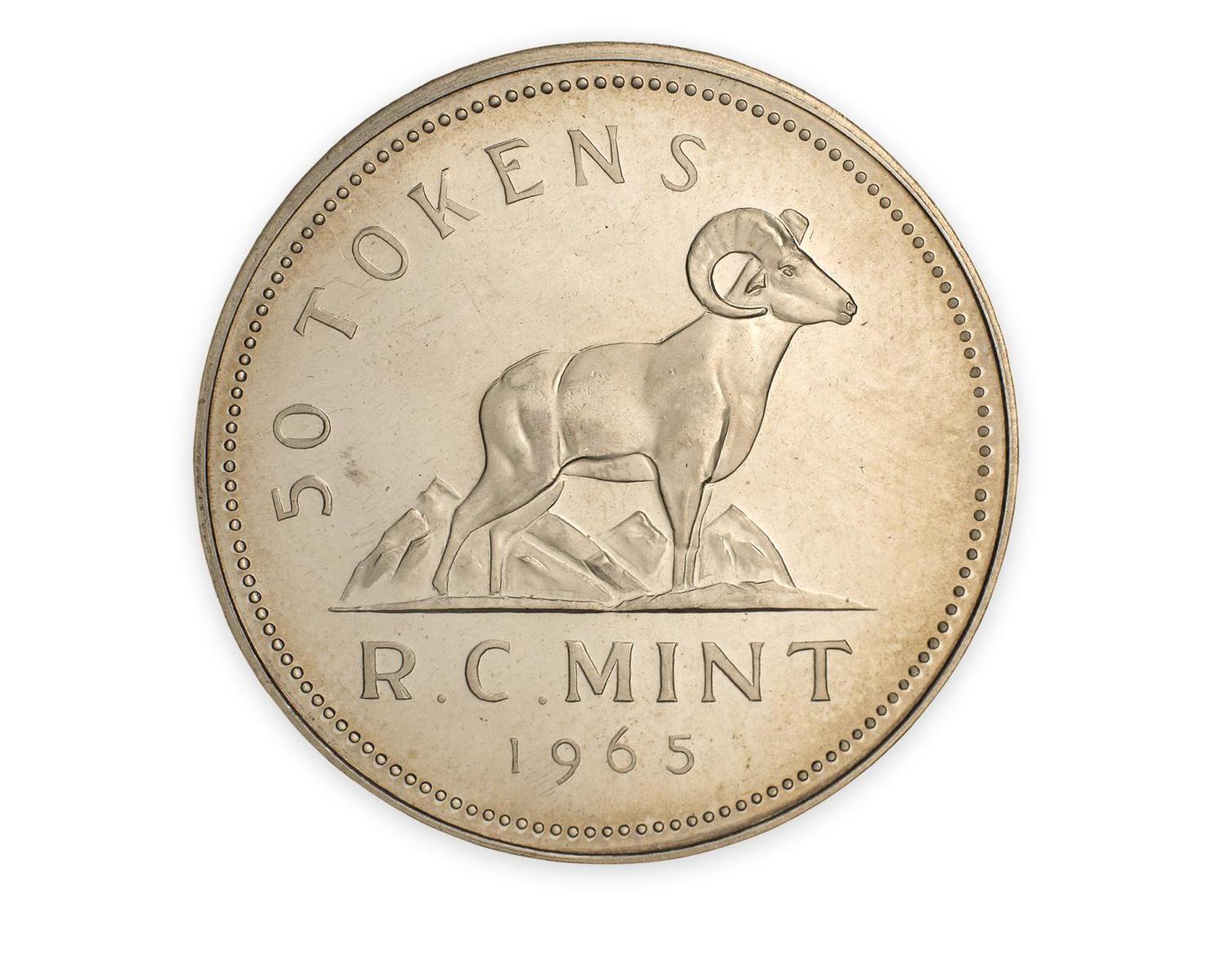
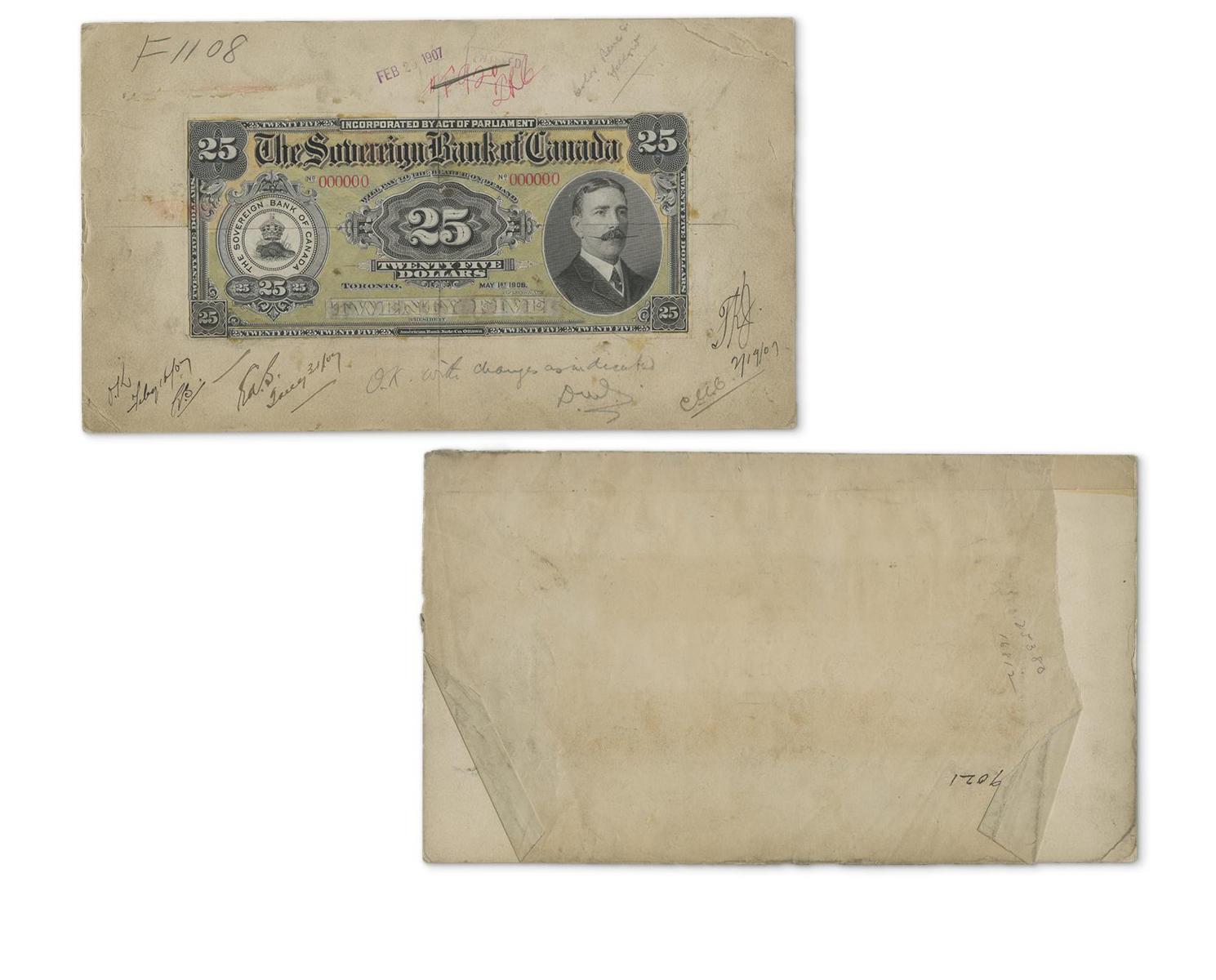
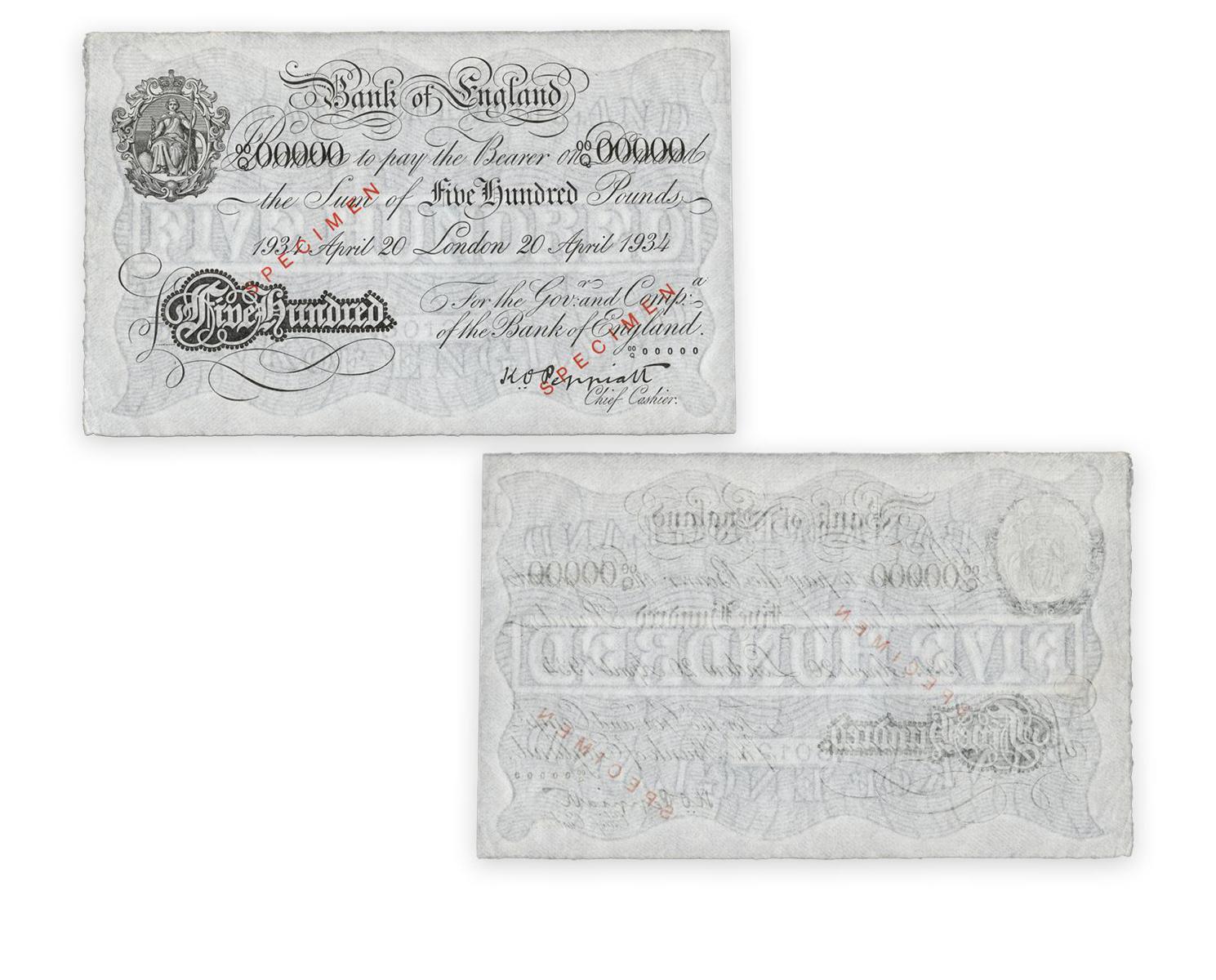
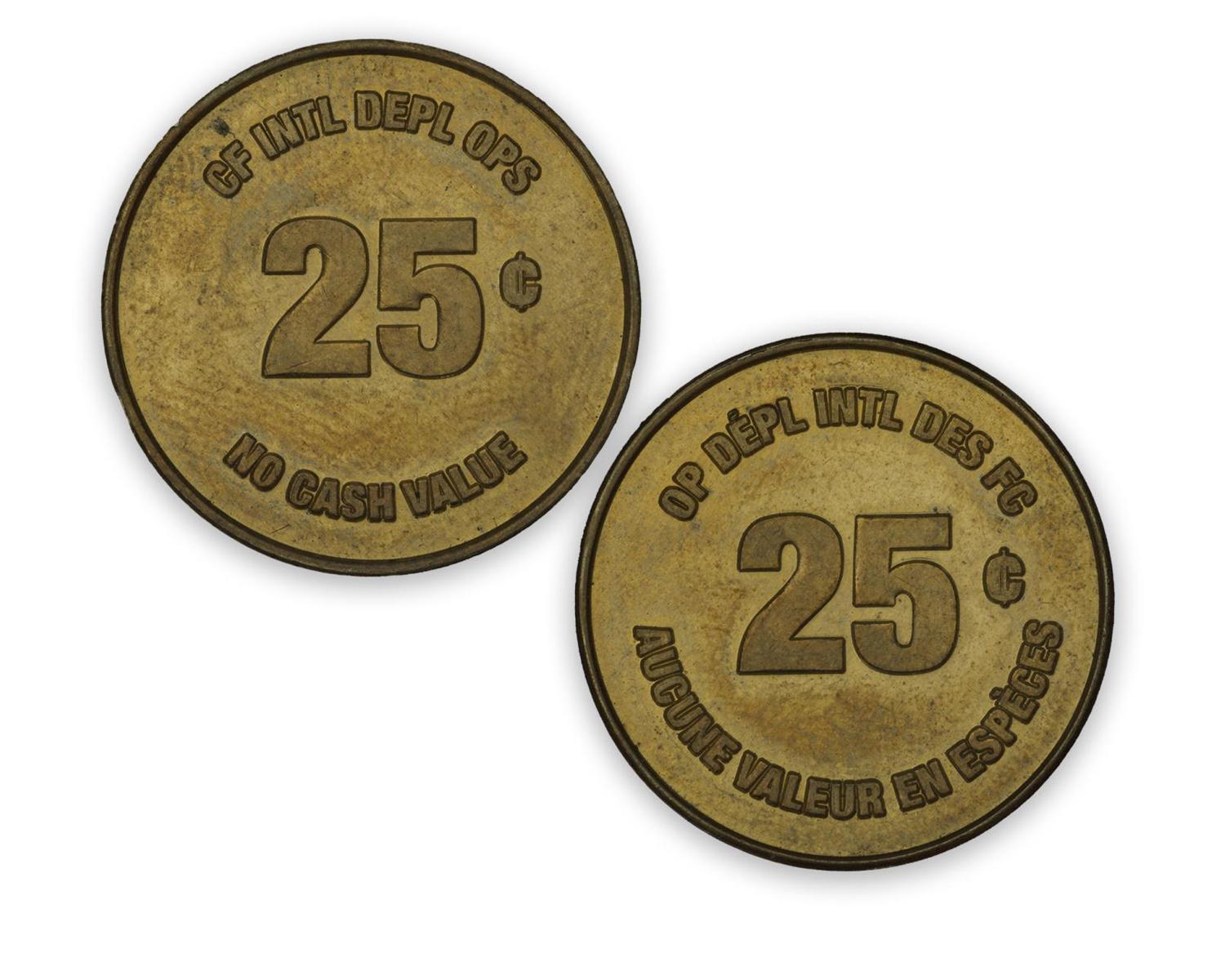
Below are some of the fascinating artifacts in the National Currency Collection that help tell the story of money and trade across cultures and centuries:
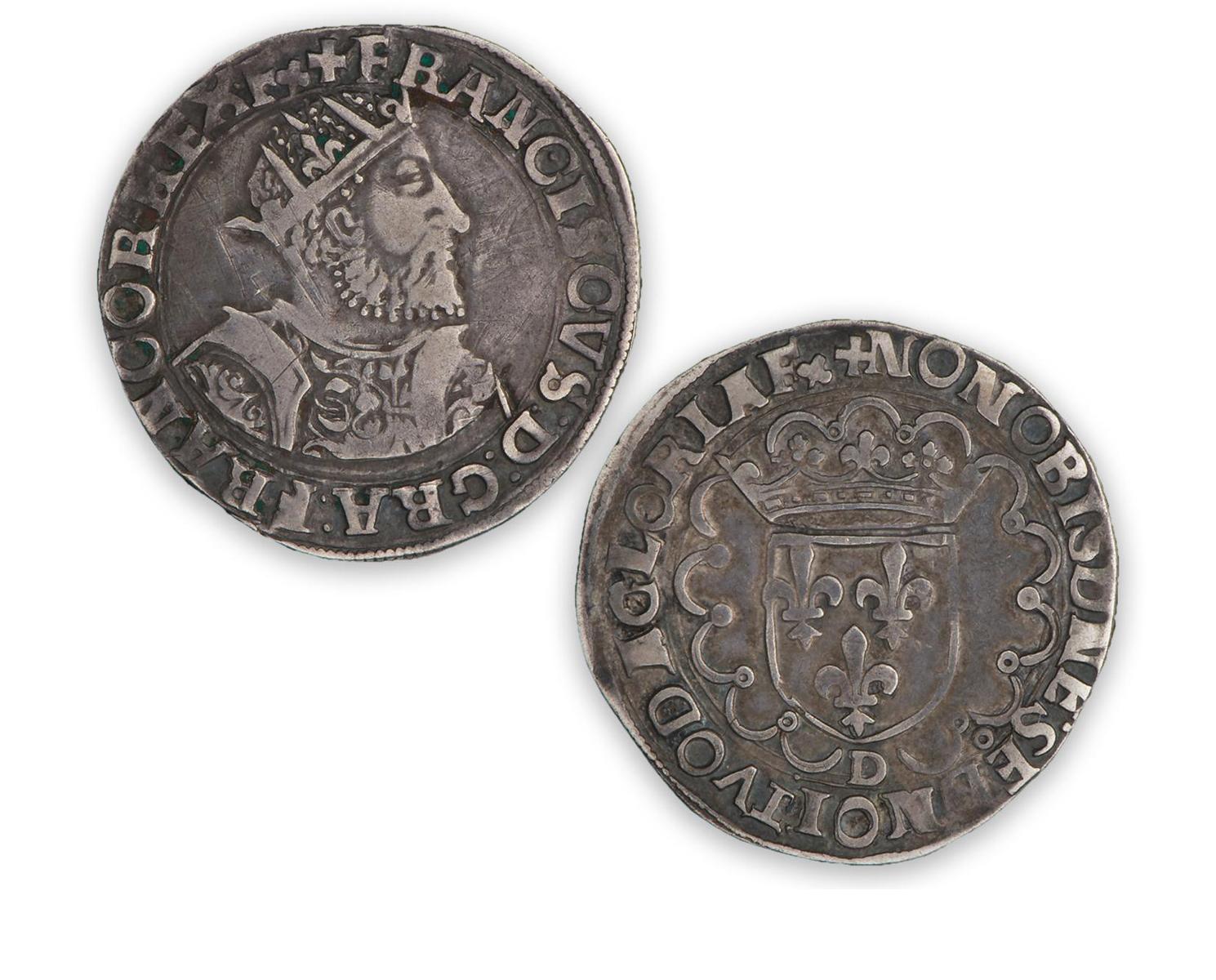
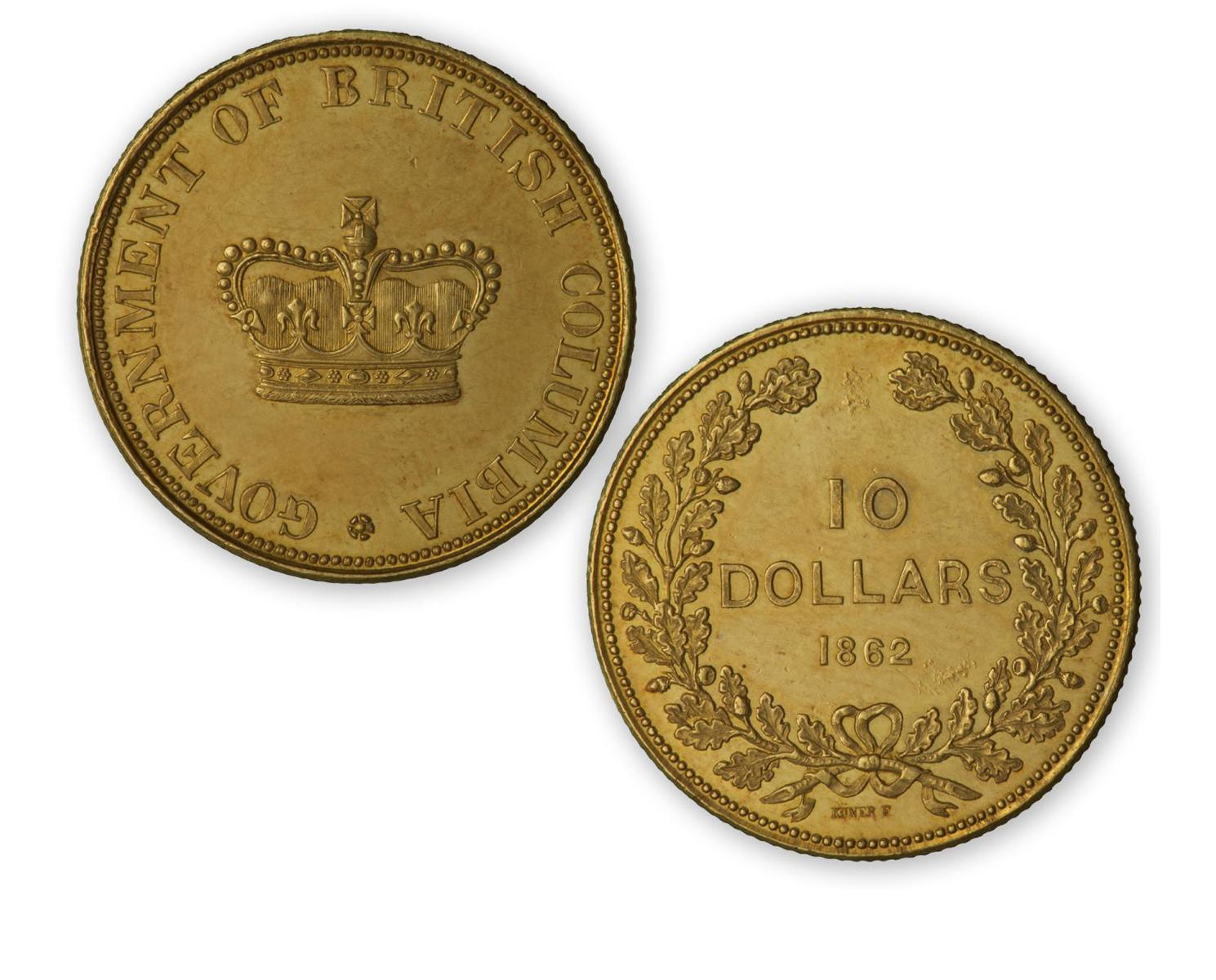
Explore more
Want to dive deeper into the Collection? Browse our online database to discover thousands of artifacts from Canada and around the world.
Interested in donating an artifact to the Museum? Learn more about how to contribute to the Collection.
Search the Collection
Looking for specific items in our Collection? Here you will be able to access all of the items in our Collection that have been digitized so far.
Complete Bank Note Series
This is the Bank of Canada’s portfolio. We’re very proud of it. Every denomination from every series on up to today can be found here.